
How to prepare for a PRP and PRF injection procedure?
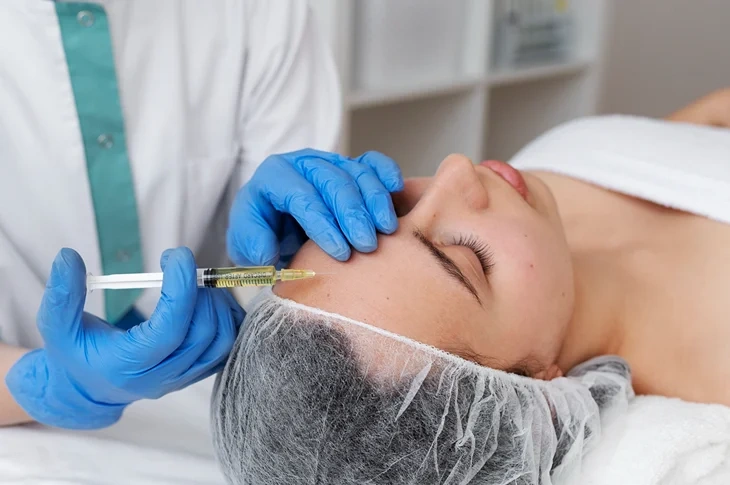
Photo: freepik.com/Freepik
The decision to undergo PRP and PRF procedures is a significant step toward natural skin rejuvenation and improved hair health. However, unlike other methods where the result depends primarily on the doctor’s skill and the prepared product, in plasma therapy the main “active ingredient” is derived from the patient’s own blood. Therefore, proper preparation for the PRP and PRF injection procedure is an essential prerequisite to ensure that the resulting material is of high quality and rich in viable platelets.
In the following article, Jevgenija Vladimirova, a dermatologist at the Adoria Health and Beauty Center, explains the medically sound steps to follow before your visit to ensure the therapy provides maximum results.
In this article, you will learn:
- Diet and hydration: how a patient’s diet and water intake directly affect the quality of the plasma obtained.
- Medication restrictions: which medications and substances can irreversibly block platelet function.
- Preparation on the day of the procedure: how to properly prepare the skin on your face and scalp immediately before your appointment.
Why is proper preparation for PRP and PRF procedures so important?
To understand why doctors place such a strong emphasis on preparation, you need to understand one key difference. In the range of beauty services, many procedures are offered today, such as Botox injections or biorevitalization, where the doctor takes a ready-made preparation from the package – its quality is always consistent and guaranteed.
In contrast, PRP (Platelet Rich Plasma) and PRF (Platelet Rich Fibrin) therapies are based on the use of autologous, or the patient’s own, biological material. This means that the composition and effectiveness of the resulting preparation cannot be industrially standardized—they are determined by the specific physiological parameters of the individual at the time of the procedure.
The regenerative power of the obtained plasma lies in the concentration of platelets and their ability to release growth factors. Consequently, the resulting material is a direct reflection of the patient’s health status and lifestyle—the “purer” and higher-quality the blood composition, the stronger the cellular response and the visible effect.
How can improper preparation affect the outcome of the procedure?
If the patient is dehydrated, has an unhealthy diet, or is exposed to certain medications or other substances, the effectiveness of the procedure may be significantly reduced. This can manifest as follows:
- Blocked platelet function: if anti-inflammatory medications are used, platelets are unable to fully undergo degranulation, or “open up.” As a result, growth factors responsible for tissue regeneration and collagen synthesis are not released.
- Insufficient therapeutic effect: even a technically flawless procedure will not provide the expected visual improvement because the injected material lacks the necessary biological potential.
- Deterioration of plasma quality: under the influence of a fatty meal, plasma can become lipemic (cloudy, with elevated lipid content). Such material not only makes injection difficult but can also cause increased tissue irritation or an adverse reaction after the procedure.
Therefore, preparation for PRP and PRF procedures is not just a doctor’s recommendation—it is a guarantee that your investment of money and time will not be wasted.
How do diet and hydration affect the blood sample?
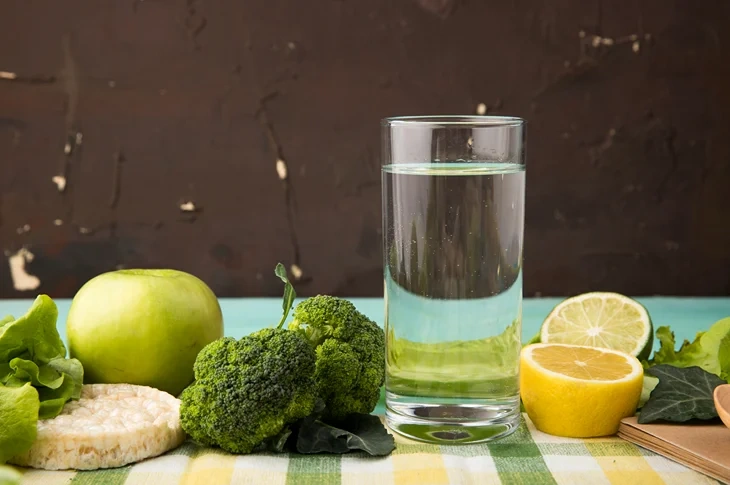
Photo: freepik.com/Freepik
Diet and adequate water intake directly determine how easily blood can be drawn from a vein and how “clean” the resulting plasma will be. If the body is dehydrated or the diet contains too much fat, the blood becomes thick and the plasma cloudy, which significantly hinders the collection of high-quality material. To ensure adequate blood quality, doctors recommend:
- Adequate hydration: Drink plenty of clean water (about 2 liters per day) for at least 24 hours before your appointment. This ensures better blood flow and increases the volume of plasma collected.
- Avoid fatty foods: on the day before the procedure and on the day of the procedure, fatty and fried foods should be excluded from the diet. As mentioned earlier, a high fat content causes lipemia—a condition where the plasma becomes cloudy and unsuitable for injection.
- A balanced meal: Do not arrive for the procedure on an empty stomach. To avoid feeling faint during blood collection, it is recommended to eat a light meal.
What substances and medications can affect the outcome of the procedure?
To achieve the maximum therapeutic effect, it is essential to eliminate factors that inhibit platelet activity or increase the risk of complications. Since PRP and PRF methods rely on the body’s own ability to regenerate, any substance that affects blood clotting or immune system function can directly impact the outcome of the procedure.
Before your visit, it is recommended to review the medications you are taking and, in consultation with your doctor, follow specific precautions.
Medication Restrictions: Anti-Inflammatory Drugs and Steroids
The most significant impact on platelet function comes from medications that reduce inflammation. Although they effectively relieve pain, their effect is undesirable in this case.
- Nonsteroidal anti-inflammatory drugs (NSAIDs): widely used medications such as aspirin, ibuprofen, diclofenac, or ketoprofen inhibit platelet activation. For a platelet to release the growth factors necessary for tissue repair, it must first be able to aggregate, or form clusters. These medications block this natural “clumping” process, thereby rendering the cells inactive and preventing them from releasing the substances necessary for skin and hair regeneration. It is recommended to stop taking them 3–7 days before and after the procedure. In case of pain, a safe alternative is acetaminophen.
- Corticosteroids: If a patient is taking systemic steroids (orally or by injection) to treat various chronic inflammatory conditions, this may suppress the immune system and reduce the effectiveness of plasma therapy. It is essential to inform the specialist about the use of these medications.
- Antibiotics: An acute infection and a course of antibiotics are contraindications for the procedure. Therapy may only be performed after full recovery and completion of the course.
The Impact of Alcohol and Smoking on Healing
Although these habits may seem unrelated to skin procedures, they are critically important in the context of regenerative therapy, as toxic substances in the bloodstream can directly counteract the treatment’s goals. Alcohol and nicotine not only alter blood vessel tone and coagulation parameters but also cause oxidative stress in the body, which suppresses the cells’ natural ability to regenerate and significantly prolongs the recovery period.
- Alcohol: Ethanol acts as a vasodilator and diuretic. Its use at least 24–48 hours before the procedure promotes dehydration and “thins” the blood. This significantly increases the risk of extensive subcutaneous bleeding (hematoma) and swelling after injections, prolonging the recovery period.
- Smoking: Nicotine causes vasoconstriction, or narrowing of blood vessels, which impairs oxygen supply to tissues. To ensure optimal healing and neutralize the effects of free radicals, it is recommended to refrain from smoking on the day of the procedure.
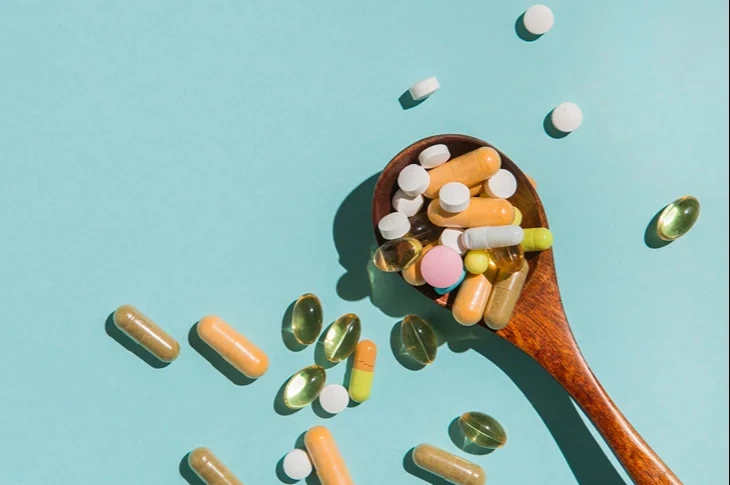
Photo: freepik.com/Freepik
Dietary supplements and vitamins
It is often overlooked that natural dietary supplements can also significantly affect blood clotting, or the body’s ability to naturally stop bleeding. Although improving blood circulation is desirable in daily life, it can have undesirable effects before injections—injection sites may bleed longer and result in more extensive subcutaneous hemorrhages (bruises). To ensure a safe procedure and a quick recovery, it is recommended to stop taking the following 3–5 days before your visit:
- Omega-3 fatty acids and fish oil: in high doses, they act as a natural blood thinner. This means that the blood has a harder time “clotting,” which increases the risk of developing noticeable bruises in the event of an injection.
- Vitamin E: This vitamin also has the ability to inhibit blood clotting. This can interfere with the rapid closure of microscopic puncture wounds.
- Herbal extracts: Popular supplements such as Ginkgo Biloba, ginseng, garlic, and ginger extracts strongly stimulate blood circulation. During the procedure, this increased blood flow can cause excessive bleeding, complicating the doctor’s work and increasing the risk of swelling afterward.
How to prepare for the procedure on the day of your visit?
In addition to internal preparation, hygiene of the treatment area is also important to prevent the risk of infection. The procedure may only be performed on healthy skin without acute inflammation. To properly prepare for PRP and PRF injections, consider the following:
- Herpes virus prevention: if the patient is prone to herpes virus outbreaks (cold sores) in the facial area, the doctor may recommend taking antiviral medication prophylactically 2–3 days before the procedure, as any needle therapy can trigger viral activation.
- Facial skin: Ideally, you should arrive for the procedure without any makeup. Although the skin will be thoroughly disinfected before the injections, clean skin facilitates the process and reduces irritation.
- Scalp (trichology): If injections are planned to treat hair loss, the hair and scalp must be clean. It is recommended to wash your hair on the morning of the procedure or the night before. Important: Do not use any hair styling products (hairspray, mousse, dry shampoo, hair powder) on the day of the procedure to ensure maximum sterility.

Photo: freepik.com/Freepik
How to plan the treatment course and costs?
Regenerative therapy is most often performed in a course, as the results develop gradually. To achieve a lasting effect, it is important to follow the intervals between visits prescribed by the doctor (usually 3–4 weeks).
Excessively long breaks between sessions can reduce the overall effectiveness. By visiting the “Price List” section of our website, patients can familiarize themselves with the costs of the service in advance and plan their budget for the entire course. Conscious and timely preparation for the PRP and PRF injection procedure also involves scheduling your time so that the course can be completed in full.
Sign up for a consultation and learn everything about PRP and PRF injections from our specialists!

Photo: adoria.lv
To achieve maximum results, it is important not only to prepare properly for the PRP and PRF injection procedure, but also to have the supervision of a knowledgeable specialist and a precisely tailored plan. The Adoria Health and Beauty Center invites you to a consultation so that we can work together to choose the most suitable therapy and achieve impressive results. Schedule your visit today by calling +371 67 315 000 or by filling out the form on our website!