
Are mouthwashes effective and necessary in daily oral cavity care?
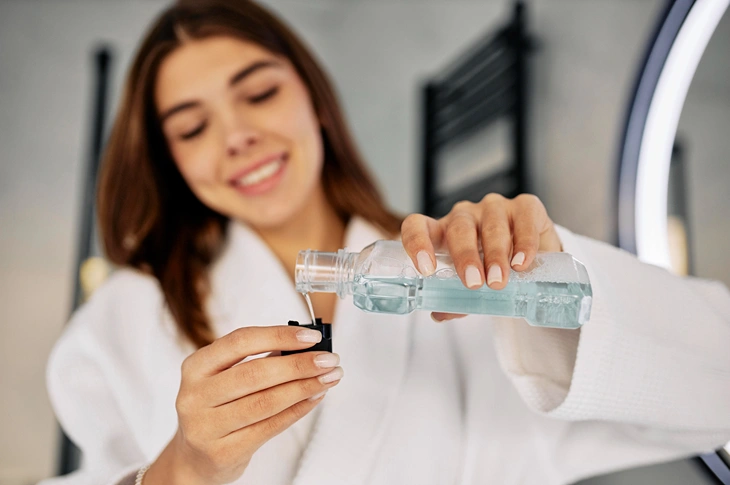
Photo: freepik.com/Freepik
The range of oral hygiene products in pharmacies and shops has become so wide that patients often find it difficult to navigate between marketing promises and products that provide real therapeutic benefit. Although the toothbrush and floss are the unchanging foundation of tooth and oral cavity hygiene, correctly chosen mouthwashes can help improve oral health, providing additional caries prevention and helping to treat gum inflammation.
Dana Zālīte, the head of the Adoria Health and Beauty Centre, explains in the continuation of this article how to distinguish a cosmetic product from a therapeutic one and how to introduce mouth rinsing into your daily dental care routine without harming the mouth's natural microflora.
In this article you will learn:
- Types of products: how cosmetic mouthwashes differ from therapeutic ones and which is suitable for a particular situation.
- Active substances: why chlorhexidine is indispensable after surgical procedures but is not suitable for everyday use, and what role fluorides play.
- Myths and truth: whether mouth rinsing can replace flossing and when it is better not to use a product, so as not to harm the natural microflora.
Why are a toothbrush and floss alone not enough for complete cleanliness?
Although the toothbrush and floss are the foundation of dental hygiene, it is worth remembering a simple fact – the teeth occupy only about a quarter of the entire oral cavity. The rest of the mouth – the tongue, the inside of the cheeks and the gums – often remains uncleaned, becoming an ideal hiding place for bacteria. If these zones are not cared for, bacteria quickly move from them back onto the just-cleaned teeth.
That is precisely why a quality mouthwash serves as a supplement to mechanical cleaning. Although a brush can clean most surfaces, the liquid form allows the active substances to freely penetrate and act even where the bristles physically cannot fully reach or where cleaning is difficult – in deep interdental gaps, under the gum margin and in the folds of the oral cavity mucosa.
- Comprehensive cleanliness: the liquid rinses the entire oral cavity, reaching the inside of the cheeks, the tongue and the back of the throat.
- Access to hard-to-reach places: it penetrates the narrowest interdental gaps and under the gum margin, where mechanical access is difficult.
- Longer-lasting protection: the active substances help maintain cleanliness for longer, hindering the formation of new plaque right after cleaning.
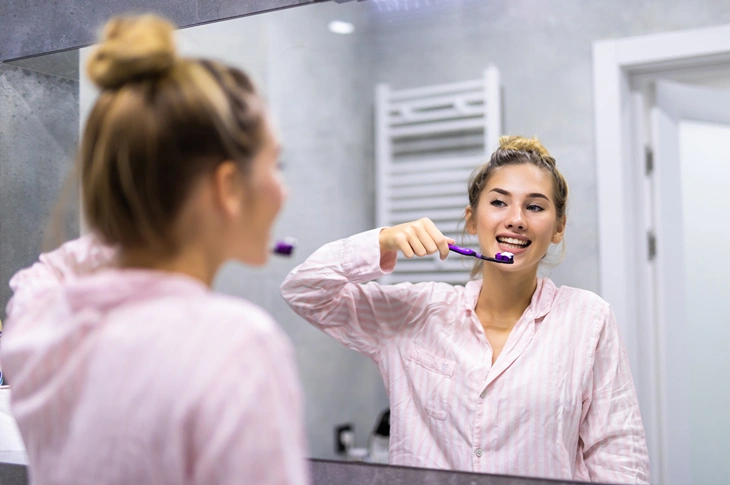
Photo: freepik.com/Freepik
How to understand which is the best mouthwash?
To determine which would be the best mouthwash in a particular situation, it is necessary to understand the product's chemical composition and action. In dentistry, mouthwashes are divided into two groups – cosmetic ones, which provide only a short-term freshness effect, and therapeutic ones, which contain active substances for a curative and preventive result. When choosing a product, attention should be paid to specific ingredients depending on the desired effect.
- For caries prevention and enamel strengthening: the most effective are products with fluorides (sodium fluoride or amine fluoride). They promote the remineralisation of tooth enamel, making it more resistant to the acids secreted by plaque bacteria, thereby significantly reducing the risk of caries.
- For plaque control and gum health: products that contain essential oils (for example, menthol, thymol, eucalyptus) can effectively break down plaque. This provides an antiseptic effect and reduces the risks of gum inflammation, without affecting the natural oral microflora.
- For reducing tooth sensitivity: in the composition you should look for potassium nitrate, arginine or calcium phosphates. These substances physically seal the open dentine tubules, blocking irritation from reaching the tooth nerve and reducing the reaction to temperature changes.
An essential criterion in everyday choice is a composition without alcohol. Products containing alcohol dry out the mucosa, causing xerostomia, or dry mouth, which negatively affects oral health. Saliva is critically important in natural protection – it physically washes away food remnants and chemically neutralises the acids produced by bacteria that damage the enamel. As the amount of saliva decreases, this natural barrier is lost, thereby considerably increasing the risk of caries and mucosa damage.
Is a mouthwash a long-term solution if you suffer from bad breath?
It is precisely halitosis, or bad breath, that is one of the most common reasons why patients choose to supplement their oral hygiene with rinses. However, it is essential to distinguish the short-term masking of a symptom from solving the real problem. Most of the cosmetic products with a strong aroma available on shop shelves only suppress the unpleasant smell for a moment, but cannot affect the anaerobic bacteria that produce volatile sulphur compounds in the oral cavity – the main causes of halitosis.
To combat the problem more effectively, therapeutic mouthwashes that contain zinc ions or low-concentration chlorhexidine are recommended, as they can chemically neutralise the source of the odour. However, it should be taken into account that in cases of chronic halitosis, everyday dental hygiene and mouth rinsing are often powerless.
If the underlying cause is untreated carious lesions (cavities) in which food remnants accumulate and decompose, or deep periodontal pockets with active inflammation, no rinse will be able to replace the dentist's intervention. Likewise, specific gastrointestinal or respiratory diseases create a specific aroma that cannot be eliminated with local oral cavity products – in such cases treatment by the relevant specialist is necessary.
In which cases is a special mouthwash prescribed for gum inflammation?
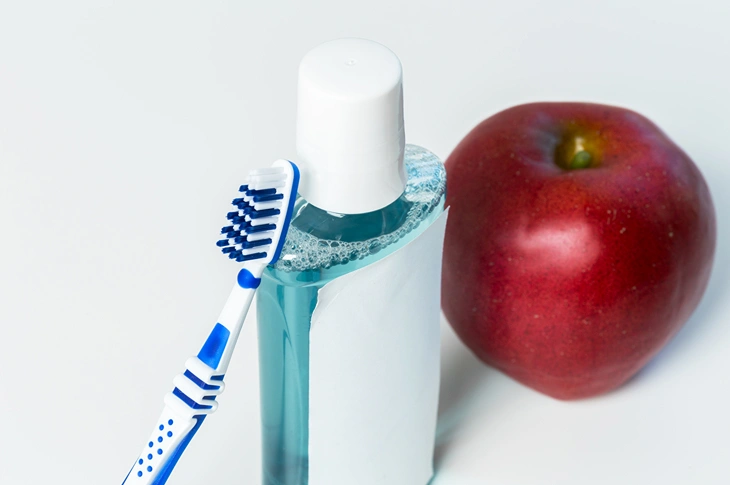
Photo: freepik.com/Freepik
In cases of acute gum diseases (a flare-up of gingivitis, periodontitis) or after invasive surgical manipulations, such as tooth extraction or implantation, ordinary preventive products cannot provide sufficient disinfection. In such situations, a specific mouthwash for gum inflammation is included in the treatment plan, whose main active substance is chlorhexidine or a chlorhexidine solution.
In dentistry this substance is recognised as the gold standard of antisepsis, because it can effectively break down the cell membranes of bacteria, stopping the spread of infection. However, given the product's strong action, the instructions for use must be strictly followed in order to avoid side effects.
- Duration of use and the specifics of the course: products containing chlorhexidine are used only as a course, usually 7 to 14 days. Unjustified and overly prolonged use can disrupt the natural microbiome of the oral cavity, creating a favourable environment for the development of fungal infections.
- Aesthetic and sensory side effects: when exceeding the recommended duration of use, a reversible pigmentation of the tooth enamel and tongue (a brownish coating) is often observed, as well as transient changes in taste perception.
- Chemical interaction: chlorhexidine must not be used at the same time as ordinary toothpaste, because the foaming substances in it (for example, sodium lauryl sulphate) can reduce the action of chlorhexidine. An interval of at least 30 minutes must be observed between brushing teeth and rinsing.
Why consult a specialist about the choice of dental care products?
Speaking of tooth and oral cavity care, it is important to understand that universal solutions do not exist. The wrong choice of rinse can not only fail to give a result, but even cause harm – for example, acid-containing products can promote erosion, while strong antibacterial products without a medical indication can disrupt the balance of the oral microbiome. Therefore, the most competent adviser in the choice of tooth and oral cavity care products is a dentist or a professional dental hygienist.
During the visit, the specialist carries out a thorough examination of the teeth and oral cavity, assessing gum health, the risk of caries and the amount of plaque. Based on the examination, the specialist will recommend an individual home dental hygiene plan and specific products that effectively address the patient's specific problems, rather than just masking the symptoms.
Frequently asked questions about the use of mouthwashes
To ensure maximum therapeutic effect and avoid mistakes, it is important to use mouthwashes correctly and to dispel the most widespread myths.
- Should a mouthwash be used before or after brushing teeth?
Experts recommend using the product at a different time of day, for example, after lunch, in order to restore the pH level of the oral cavity. By using it right after brushing, there is a risk of "washing away" the concentrated fluoride in the toothpaste, thereby reducing protection against caries. The exception is fluoride-containing rinses that supplement the action of the paste, but in the general case it is advisable to wait.
- Does a mouthwash replace floss?
No, such a belief is mistaken. A rinse cannot mechanically break down and remove the plaque that has accumulated on the contact surfaces of the teeth. Only mechanical cleaning with floss or interdental brushes can physically clean these zones.
- Which product to choose for sensitive teeth?
In case of tooth sensitivity, it is advisable to avoid alcohol-containing and aggressive whitening products. Preference is given to products with desensitising substances – potassium nitrate, arginine or calcium phosphates. These compounds help remineralise the enamel and physically seal the open dentine tubules, blocking irritation.
Take care of your smile together with Adoria!
Photo: adoria.lv
If you want to receive a professional assessment of your oral cavity health and obtain an individually developed tooth and oral cavity care plan, the dental team of the Adoria Health and Beauty Centre invites you to book an appointment! Our specialists will help you choose the most suitable dental care products and provide the highest-level dentistry and hygiene procedures. Book an appointment by calling +371 67 315 000 or by filling in the application form on our website.