
Birth Preparation Course: How Prepare for Birth?

Photo: freepik.com/Freepik
Timely thoughtful preparation for birth essential step improving both prospective parents' emotional well-being prospective mother's physical readiness thus reducing uncertainty anxiety about upcoming process. In this article Health and Beauty Center Adoria specialist Dana Zālīte tells how prepare for birth not only physically practically but also emotionally.
How Prepare for Birth – Summary:
- Physical readiness: appropriate physical activities balanced diet prospective mother's understanding of own body processes.
- Emotional informational readiness: conscious information acquisition about birth process.
- Practical planning: timely birth place awareness necessary items preparation support person's role understanding.
Physical Preparation for Birth
Physical readiness one of cornerstones on way to successful birth helping body better cope with upcoming load recover faster in postpartum period. Includes several important aspects starting with balanced diet ending with specific exercises.
- During pregnancy full balanced diet supplies both pregnant woman fetus with all vitally important nutrients. Approaching birth such diet becomes particularly important as provides body necessary energy strengthens muscles improves ability overcome intense physical load. E.g., balanced carbohydrates proteins fats amount ensures long-lasting energy for birth process meanwhile such minerals as iron calcium critical for oxygen transport effective muscle including uterine function.
- Also important regular fluid intake especially pure water form helping maintain optimal metabolism prevent edema.
- Regular pregnancy-appropriate physical activities recommended throughout pregnancy. Can be special pregnant women gymnastics yoga pilates swimming simple regular daily walks in fresh air. Such activities improve circulation strengthen muscles promote endurance help control weight gain. At same time important consult with supervising gynecologist about physical activity intensity avoid overload possible risks.
- Special attention should be paid to pelvic floor muscle strengthening (Kegel exercises) potentially easing birth second stage reducing perineal tear risk.
- Also breathing techniques learning essential physical preparation aspect. Proper breathing e.g., deep diaphragmatic breathing helps not only relax during pregnancy but also effectively overcome pain control body during birth.
- No less important quality sleep sufficient rest as body preparing for major work.
- Worth consider also such methods as perineal massage in last pregnancy weeks previously consulting with own midwife gynecologist about its proper performance suitability.
Emotional Informational Preparation for Birth
In addition to physical readiness emotional informational readiness plays equally large if not greater role in positive birth experience. Understanding what awaits main thinking about how prepare for birth emotionally helps reduce uncertainty often main cause of fears anxiety.
- Information research about birth process various stages possible medical interventions pain relief methods gives opportunity to prospective parents feel more prepared make conscious decisions.
- Important choose reliable information sources – can be books scientifically based articles also information provided by specialists (midwives gynecologists). Pregnant women care includes not only pregnant woman fetus physical health monitoring but also essential emotional informational support to prospective mother.
- At same time crucial consciously create own informational space critically evaluating heard read consciously avoid unverified overly negative stories potentially increasing anxiety. Priority should be given to constructive encouraging information strengthening confidence in own abilities.
- Relaxation techniques e.g., meditation visualization mindfulness practices learning regular application can significantly improve ability maintain calm control both preparing for birth birth process.
- Invaluable role partner's support – joint information search course attendance (if chosen) simple emotional presence strengthens couple's relationship provides sense of security to prospective mother.

Photo: freepik.com/Freepik
Birth Preparation Courses Role Advantages
Though prepare for birth possible in various ways many prospective parents choose attend special birth preparation courses. Such courses provide both structured information practical skills how prepare for birth also advice for postpartum period baby care.
In theoretical sessions explained birth physiology various birth stages possible medical interventions their necessity. Examined various pain relief methods – both non-medication (breathing positions massage water relaxation) medication.
Significant attention paid to newborn care basics breastfeeding promotion first days at home. In practical sessions prospective parents learn breathing techniques relaxation methods also various positions potentially easing birth course.
Often courses also involve partners allowing learn how effectively provide own support. Courses can be valuable resource systematically learn how prepare for birth. Main advantages of such courses opportunity obtain verified information from qualified specialists (midwives physiotherapists psychologists) ask interesting questions dispel doubts.
Practical sessions allow reinforce theoretical knowledge feel more confident. No less important social aspect – opportunity meet other prospective parents share experience gain emotional support. However need remember course attendance only one of preparation elements quality content can vary.
- Learn most important information about contraception for young women also most suitable methods choice when starting sexual life our specialists prepared article: "Contraception Methods for Teenagers: How Choose Safest Option?".
Practical Steps: How Prepare for Birth Effectively Organized
In addition to physical emotional readiness successful birth experience needed also careful practical planning. Knowing all organizational issues arranged prospective parents can feel calmer more focus on process itself.
One of first practical steps birth place choice. Worth timely familiarize with available options (hospital birth ward birth house) their offered services conditions specialists. Many institutions offer informative tours. Important choose place where prospective mother feels safe comfortable.
So-called birth bag preparation another essential task recommended complete timely at least 3–4 weeks before due date. Should include necessary documents personal hygiene items for mother comfortable clothing for birth postpartum period also first necessary items for baby.
Important also support person choice preparation. Partner close friend family member can provide invaluable support during birth therefore crucial this person informed about birth process prospective mother's wishes.
Pregnant Women Care in Last Pregnancy Weeks
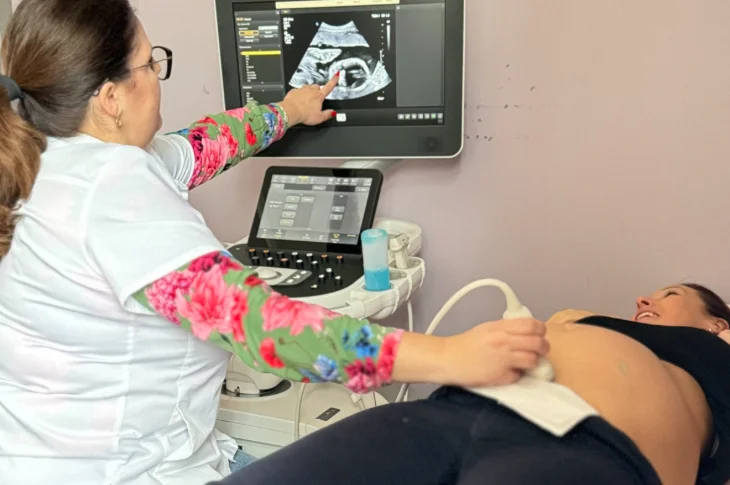
Photo: adoria.lv
In last pregnancy weeks pregnant women care becomes particularly intensive focused on birth preparation. Usually planned more frequent visits to supervising specialist carefully follow both mother child health condition. Can be performed fetal heart rate recording ensure baby's well-being.
During this time important discuss with own doctor midwife all unclear questions birth harbingers e.g., mucus plug discharge irregular contractions also action plan when go to chosen birth institution.
- Learn when what cases may be needed gynecologist consultation during pregnancy read our specialists prepared article: "Gynecologist Consultation During Pregnancy: When Why Needed?".
Also ultrasound for pregnant women in last weeks can provide significant information helping in practical preparation process. Though its main goal medical diagnostics following baby's development health obtained data – e.g., about baby's position approximate weight – can help doctor midwife together with prospective mother plan birth tactics. Knowing these aspects can better prepare for possible scenarios feel more informed about upcoming process.
Pregnant Women Care Support at Health and Beauty Center Adoria

Photo: adoria.lv
If want receive professional support consultations about how prepare for birth Health and Beauty Center Adoria gynecology obstetrics specialists ensure necessary care advice throughout pregnancy period also postpartum period. Book visit now!