
Is a dental X-ray harmful to pregnant women and children?
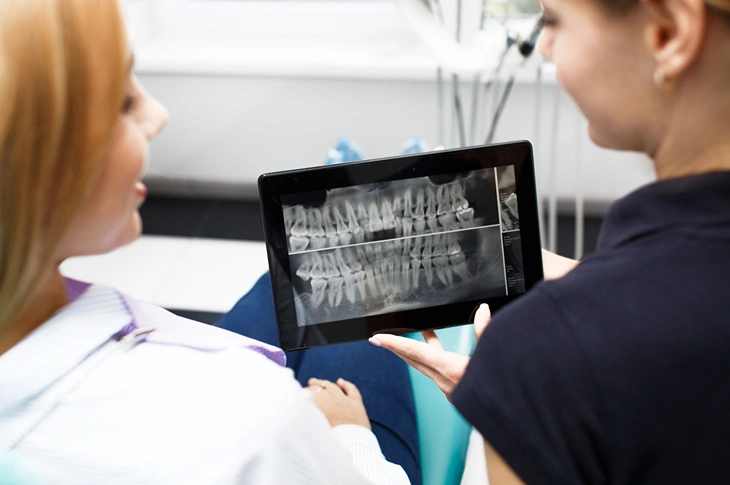
Foto: freepik.com/Freepik
In modern dentistry, X-ray diagnostics has become an irreplaceable tool that makes it possible to precisely determine the treatment plan, yet the question of the impact of radiation on the expected baby or the child's body is still relevant. Digital technologies and 3D X-rays have considerably changed safety standards, making examinations more precise and safer. Ieva Breča, a dentist at the Adoria Health and Beauty Centre, explains in the following article how the need for a dental X-ray is assessed for pregnant women and children and how the latest-generation diagnostic equipment makes it possible to carry out examinations without unnecessary worries about health
In this article you will learn:
- The advantages of 3D diagnostics: why digital technologies are the best choice and what the real radiation dose is.
- Pregnancy and dental health: why a dental health check is necessary during pregnancy and why digital X-ray examinations are the safer choice.
- Children's diagnostics: how a digital X-ray helps to detect hidden damage more precisely and why it is safe for a growing body.
What are the differences between a digital and a traditional X-ray?
A digital dental X-ray and modern 3D diagnostics differ sharply from older-generation equipment, because they use high-sensitivity sensors instead of film. This means that the required radiation dose is minimal – the sensor reacts in hundredths of a second, significantly reducing the exposure time. The digital X-ray radiation currently used in dentistry is so low that it is comparable to the natural background radiation that we receive every day.
A modern dental diagnostics office is equipped with apparatus that ensures high precision, where the beam is focused directly on the specific zone. Unlike traditional methods, modern digital devices do not scatter radiation onto the rest of the body, which is why the historical lead aprons are also used ever more rarely in practice, since the direct radiation does not affect the abdominal area. A 3D X-ray provides a spatial image that allows the specialist to see the tiniest nuances without the need for repeated examination.
The benefits of digital diagnostics include:
- Maximum precision: a 3D image allows the specialist to assess the tooth roots, their position and the condition of the jawbone in all dimensions, completely eliminating the risk of error during treatment. Such detail is important, for example, when planning a complicated root canal cleaning or implantation.
- Minimal radiation: the radiation dose used by digital sensors is up to 90% lower than for analogue devices, which is why such a dental X-ray is the safer choice for children and pregnant women. Thanks to the development of technology, the beam is focused only on a millimetre-precise zone, without affecting the surrounding tissues or organs.
- Immediate result: the examination image is available for viewing on the computer screen immediately after it is taken, which significantly shortens the visit time and allows the patient to immediately receive an explanation of the current situation and the necessary treatment steps.
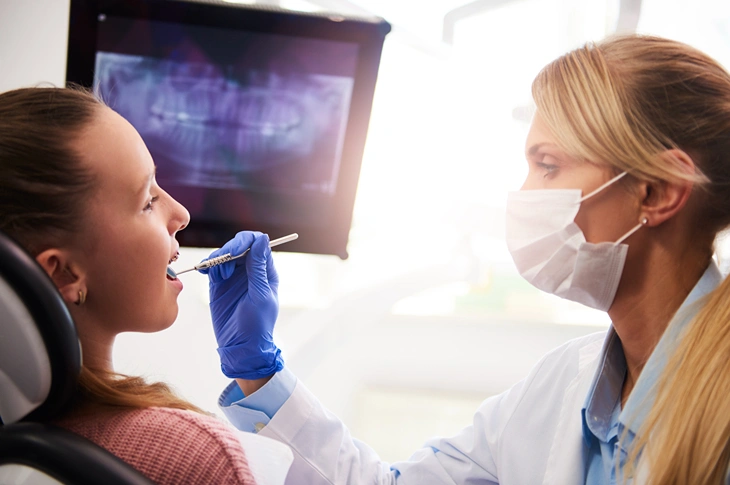
Foto: freepik.com/Freepik
Is a dental X-ray necessary during pregnancy?
During pregnancy, a dental X-ray is not carried out as a preventive procedure, but it becomes a mandatory necessity in cases where acute pain or justified suspicions of hidden inflammation arise. The decision to carry out the examination is always based on a careful assessment of the risks, because an untreated infection in the oral cavity poses a considerably greater threat to the development of the fetus than the minimal radiation dose.
- In order to ensure comprehensive health monitoring during pregnancy, it is important to follow all the specialists' recommendations, because the condition of the oral cavity is directly connected with general reproductive health. More detailed information about how often you should visit the gynaecologist during pregnancy can be found in the article "A gynaecologist's consultation during pregnancy: When and why is it necessary?"
Nowadays, pregnancy care in Latvia provides for a mandatory oral cavity check for several essential reasons:
- Hormonal changes: fluctuations in the body affect the blood circulation of the tissues, making the gums more sensitive to irritations and inflammations.
- pH level fluctuations: more frequent changes in the acidity level in the oral cavity promote a more rapid development of caries.
- Infection risks: bacteria from damaged tooth canals can enter the bloodstream, potentially causing complications to the general state of health.
Digital diagnostics makes it possible to determine a precise diagnosis without relying only on a visual examination, which helps to choose the gentlest treatment methods and the most suitable time for dental procedures, most often planning them in the second trimester.
- In order to maintain the mother's general health and ensure the correct mineralisation of the child's tooth buds, which begins already in the first half of pregnancy, it is necessary to take care of a full-fledged diet. Sufficient intake of calcium, phosphorus and vitamins is critical, because the growing body primarily takes the necessary minerals from the mother's bloodstream, which in the case of a nutrient deficiency can weaken the mother's own tooth enamel. More about how to ensure a healthy menu during this important stage of life can be read in the article "A pregnant woman's diet: What to eat and what to avoid?".
Why is digital diagnostics the best choice for a child?
Modern children's dentistry effectively uses digital diagnostics to see hidden caries foci, for example in the gaps between teeth. It should be taken into account that the enamel of milk teeth is thinner and more porous than in adults, which is why infection develops rapidly and in a short time can reach the tooth nerve or affect the buds of the permanent teeth in the jawbone.
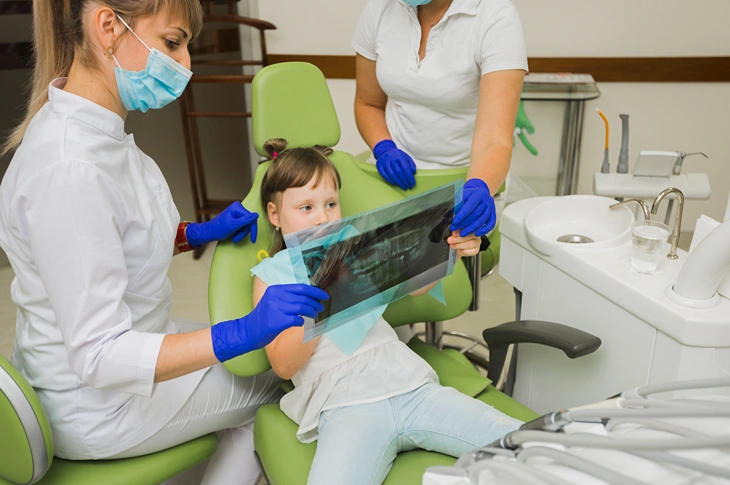
Foto: freepik.com/Freepik
Unlike traditional dental X-ray examinations, modern digital devices make it possible to obtain high-resolution images with a minimal radiation dose, which is especially important for a child's health. Digital sensors are designed to fit the size of a child's oral cavity, which is why the examination proceeds quickly and without physical discomfort. If a dental X-ray is carried out for a child in good time, it provides the opportunity to diagnose caries and other pathologies at an early stage, allowing the specialist to begin gentle treatment and prevent the further spread of the damage in the tooth tissues.
- Preventive control: the possibility of noticing caries at the initial stage, when the damage can be eliminated gently and quickly.
- Bite monitoring: a 3D X-ray provides a clear picture of whether the permanent teeth are erupting in the correct order and whether there is enough room in the jawbone for their arrangement.
- Assessment of injuries: in the case of dental injuries, it is possible to immediately make sure whether the tooth roots or the jawbone have been affected.
- A faster process: a precise action plan, which the doctor draws up after the X-ray image, makes it possible to shorten the time the child spends in the dentist's chair.
Each situation is assessed individually, and the dentist prescribes an examination only when it is necessary for solving a specific problem or for planning orthodontic treatment. It should be emphasised that untreated damage in milk teeth can irreversibly affect the health of the permanent teeth, which is why a fear of radiation should not hinder the necessary diagnostics, which nowadays is safe and gentle.
A safe dental X-ray in Riga and full-cycle health care
A digital dental X-ray is nowadays a fast, effective and safe way to make sure of the condition of the oral cavity without creating unnecessary risk for pregnant women and children. Examinations carried out with high precision allow the specialist to precisely assess the current situation and begin the necessary treatment without unnecessary delay.
At the Adoria Health and Beauty Centre, not only modern dental diagnostics is available, but also comprehensive pregnancy care and gynaecologist's consultations. This makes it possible to receive all the necessary medical services in one place, saving time and providing a peaceful environment for both mother and child. Our specialists will promptly assess the situation, using the latest-generation equipment, and will draw up a precise treatment plan. Book an appointment by calling +371 67 315 000 or by filling in the application on the website, and entrust your health to experienced professionals!