
Dizzy and Losing Your Balance? Possible Neurological Causes

Photo: freepik.com/Freepik
Short-lived balance disturbances or the sensation of sudden dizziness can affect anyone in everyday life and do not always indicate serious health problems. Such sensory illusions can be caused by entirely simple and commonplace factors, for example, standing up quickly from a seated position, dehydration or short-term fatigue.
However, in cases where these symptoms recur regularly, the underlying cause may be a disorder of the vestibular apparatus or specific changes in the functions of the nervous system. In the continuation of the article, Elīna Polunosika, a neurologist at the Adoria Health and Beauty Centre, explains in which cases prolonged balance disturbances and frequent dizziness require a specialist's attention, and what the main neurological causes are.
In this article you will learn:
- The causes of the symptoms: why does dizziness come on suddenly, and what are the main triggers of coordination disorders?
- How the systems work: how do the structures of the inner ear and the state of blood circulation affect the overall stability of the body?
- Diagnostic steps: which examinations help to determine precisely the true neurological reasons for a loss of coordination?
Why does the unpleasant sensation of dizziness arise?
In order for a person to be able to stand, move and orient themselves in space stably, the brain must continuously receive and process information from three main sources – vision, the receptors of the muscles and joints, and the structures located in the inner ear.
If a disturbance in signal transmission arises in any of these information channels, or the brain is unable to process this data correctly, a person begins to feel dizzy and the body loses its usual stability. In neurology, these conditions are divided into two large groups, which help specialists to determine the origin of the problem more precisely.
- Peripheral disorders: these are directly linked to damage to the balance nerve or the structures of the inner ear and usually manifest as a strong, sudden sensation of the surrounding space spinning;
- Central disorders: these develop if the brain or the brainstem is affected, and in such cases patients more often complain of instability, prolonged unsteadiness and the sensation that the ground is disappearing from beneath their feet.
Often such unpleasant sensations arise completely unexpectedly, for example, when raising the head sharply in the morning or trying to get out of bed. In such cases the underlying cause may be a benign condition brought about by the movement of tiny crystals in the canals of the inner ear, and therefore precise diagnostics is the first step on the way to further action.
How do the inner ear and the circulatory system affect balance?

Photo: freepik.com/Freepik
One of the most sensitive structures responsible for controlling the body's position is the vestibular apparatus, which is located deep in the temporal bone and reacts to any movement or change in gravity. If inflammation caused by a viral infection develops in this system, or fluctuations in fluid pressure arise, the brain receives distorted signals, as a result of which strong, agonising bouts of vertigo develop, not infrequently accompanied by nausea, vomiting and ringing in the ears.
The second equally significant factor in ensuring a stable sense of wellbeing is a sufficient and even supply of oxygen and nutrients to the brain. If circulatory disturbances develop in the head, which can be caused by changes in the cervical vertebrae, narrowing of the blood vessels or atherosclerotic plaques, the brain's centres begin to experience oxygen starvation, causing an immediate sensation of instability. In such situations the symptoms usually intensify with prolonged sitting, an uncomfortable head position or sudden turning movements of the head in everyday life.
In addition to neurological factors, the balance system is also directly influenced by the general indicators of the cardiovascular system, among which low blood pressure stands out in particular. When blood pressure drops sharply, for example, when standing up too quickly from a seated position, blood flow to the brain decreases for a few seconds, causing momentary confusion, weakness and a darkening of vision.
In such cases, the first instance for monitoring health and stabilising the basic indicators is a family doctor, who will carry out the initial examinations and, if necessary, refer you on to further specialists.
What are the main differences between the causes of balance disorders?
In order to make it easier to recognise various symptoms and to help you navigate the possible health complications, it is useful to compare the most frequent conditions that cause a loss of coordination:
| Trigger | Characteristic symptoms | Additional signs |
|---|---|---|
| Damage to the inner ear | A very intense illusion of the space spinning, which intensifies when moving the head. | Nausea, vomiting, deterioration of hearing or constant ringing in the ear. |
| Vascular problems | Prolonged, moderate instability, a sensation of heaviness and grogginess. | Visual disturbances, fatigue, tension in the nape of the neck and difficulty concentrating. |
| Blood pressure fluctuations | Momentary dizziness when standing up, and a brief darkening before the eyes. | General weakness, cold sweats, drowsiness and a lack of energy. |
| Long-standing, hidden inflammations (for example, in the teeth or jaw) | Gradually increasing instability and a dull, unclear sensation in the head. | Persistently raised body temperature (slightly above 37 degrees), constant weakness and tension in the muscles of the neck or nape. |
This kind of deterioration in wellbeing not infrequently proceeds in parallel with other serious neurological illnesses, which require a comprehensive approach to therapy. You can learn more about this topic by reading the material prepared by our specialists "Frequent Headaches and Migraine: When Painkillers No Longer Help?", which also explains the link between intense headaches and balance disorders.
What hidden factors can trigger neurological symptoms?
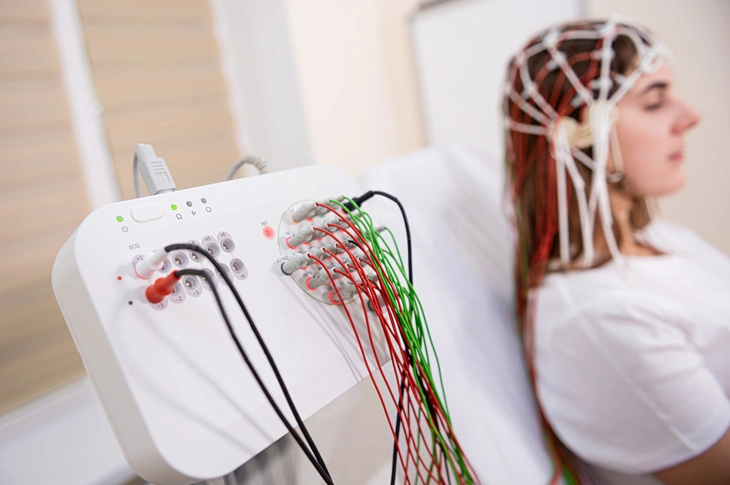
Photo: freepik.com/Freepik
Seeking an answer to the question of why people experience sudden or prolonged dizziness, doctors not infrequently encounter situations where the cause is to be sought outside the usual structures of the nervous system. In order to better understand these hidden mechanisms, specialists urge you to pay attention to two significant factors:
- Hidden inflammations in the oral cavity: a less well-known but medically fully proven fact is the impact of chronic infections on the cranial nerves, where untreated deep inflammations of the tooth roots or damage to the jawbone can provoke a general reaction of the body or directly irritate the trigeminal nerve; therefore, in such cases, precise diagnostics of the condition is provided by the widely used digital and 3D X-ray dental diagnostics of today;
- An improperly organised work environment: prolonged work at a computer with repetitive movements, an unsuitable chair or lifting heavy objects creates an enormous overload on the muscles of the neck and shoulder area, as well as on the blood vessels, which over time can cause unpleasant bouts of dizziness; therefore, a certified occupational health and occupational disease doctor plays an important role in noticing and preventing such risks in good time, assessing the physical condition of employees and providing recommendations for maintaining health during the regular mandatory health checks, or MHC.
It is important to be aware that the body always functions as a single whole, and one unresolved health issue can provoke a new chain of symptoms.
Why is it important to turn to a neurologist in good time?
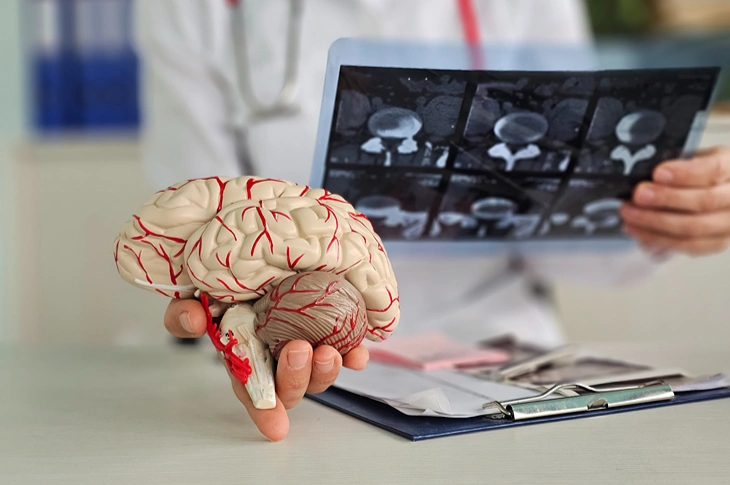
Photo: freepik.com/Freepik
Regardless of how frequently or how markedly coordination disorders arise, the final decision on the most suitable treatment method can only be made after comprehensive diagnostics. In order to determine precisely why dizziness occurs suddenly or regularly, the most important step is always an in-person consultation with a neurologist. During this visit the specialist carries out the primary neurological tests, assesses the reflexes, eye movements and stability of balance, and also listens to the patient's complaints about their everyday wellbeing.
Only after the initial examination does the doctor prescribe the further necessary investigations, for example, Doppler ultrasound of the blood vessels or blood pressure monitoring, in order to rule out other contributing factors. Such in-depth study is necessary because persistent balance disorders can be caused by specific neurological illnesses, in whose case it is important to begin targeted treatment without delay:
- vestibular migraine: a neurological condition in which dizziness and a feeling of instability develop as the primary symptom of migraine, often even without typical and severe headaches;
- pathologies of cerebral blood circulation: chronic ischaemia or narrowing of the blood vessels in the nape region, as a result of which the coordination centres are not sufficiently supplied with oxygen, provoking prolonged balance disorders;
- peripheral polyneuropathy: damage to the nerves in the legs, because of which the brain does not receive precise signals from the joint and muscle receptors about the position of the body, creating an unsteady gait and a sudden loss of stability.
Seeking help in good time and precisely determining the cause at a clinic makes it possible to halt the development of these chronic illnesses in time, helping us to arrive together and safely at the best health result.
How to book a visit and regain a full quality of life?
A stable sense of wellbeing, a clear perception of the surrounding space and safe movement in everyday life are the foundation of every person's full quality of life. If you are troubled by regular bouts of dizziness in your daily life, the Adoria Health and Beauty Centre offers comprehensive neurological diagnostic and treatment services, providing every patient with an individual approach, a calm atmosphere and the support of experienced specialists. Book a consultation with our specialists by calling +371 67 315 000 or by conveniently filling in the electronic application form on the website, and take the first step towards a stable and confident step every day!