
Frequent Headaches and Migraine: When Painkillers No Longer Help?

Photo: freepik.com/Freepik
Intense and regular headaches in the form of sudden or prolonged attacks significantly affect everyday plans, the ability to work and overall quality of life. Not infrequently the first reaction in such situations is to take ordinary over-the-counter medication, but when ordinary painkillers are no longer able to reduce the discomfort, this serves as a serious signal that it may be migraine, or that there is well-founded suspicion of it.
Such ineffectiveness of the usual medication and the frequent recurrence of symptoms clearly indicate the need for a timely consultation with a neurologist, in order to establish a precise diagnosis, select a specific therapy and prevent the headaches from developing into a chronic form. In the continuation of the article, Elīna Polunosika, a neurologist at the Adoria Health and Beauty Centre, explains why in cases of migraine the usual remedies no longer provide the expected relief and which solutions help to regain wellbeing.
In this article you will learn:
- Differences in symptoms: how to distinguish passing headaches from migraine?
- The impact of medication: why can excessive use of painkillers intensify the discomfort?
- Hidden triggers: which contributing factors, including muscle tension or hormonal fluctuations, promote attacks?
How to distinguish ordinary headaches from migraine?
In order to determine precisely the cause of the pain and discomfort and to choose the right medication, it is initially important to be able to distinguish ordinary tension headaches from chronic migraine, because in both cases a completely different approach to help and treatment is required. Most often people are affected by tension headaches, which usually manifest as:
- bilateral, even, pulling or pressing headaches, creating the sensation of a tight band placed around the head;
- the pain not infrequently also affects the forehead, temples or occipital area and usually does not intensify during ordinary everyday physical activities.
Such a deterioration in wellbeing is most often provoked by emotional stress, prolonged work at a computer in an uncomfortable posture, a lack of fluid in the body, insufficient sleep or muscle overload in the shoulder and neck area. Headaches caused by tension are usually well controllable, and wellbeing improves comparatively quickly after a little rest, a warm bath or a simple walk in the fresh air.
The timely introduction of ergonomic habits at the workplace and regular breaks help to completely prevent the regular recurrence of tension headaches. Timely stress control is likewise of great importance, because muscle tension in the nape region is directly linked to the emotional background. If, however, these simple measures do not deliver the expected result, it is worth paying attention to other, far more specific manifestations of the body.
What signs can indicate migraine?
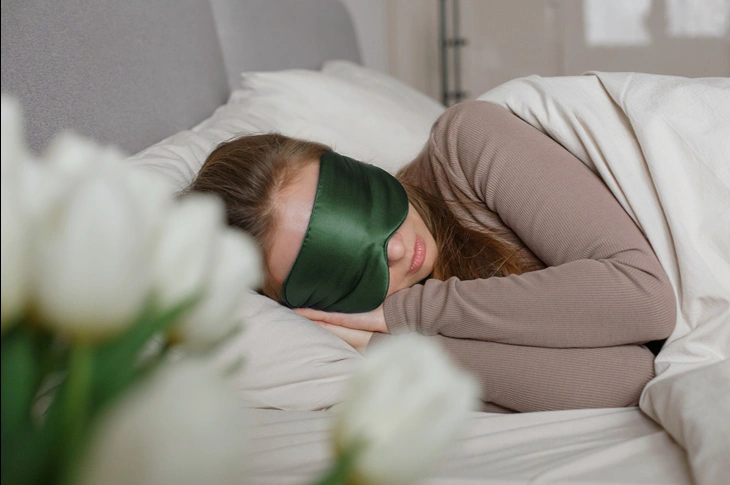
Photo: freepik.com/Freepik
By contrast, a completely different specificity can characterise such a chronic illness as migraine, at the basis of which, according to specialists' observations, there may be a heightened sensitivity of the blood vessels of the head and of the nervous system. In the case of this illness, severe pain tends to come on in waves, it can be far more intense and is able to last continuously from a few hours up to several days in a row. During this period even simple everyday activities can become greatly impeded, and therefore it is valuable to notice the body's main warning signals in good time.
Usually, in the case of possible migraine, pronounced and specific migraine symptoms tend to appear:
- throbbing pain: the discomfort can most often be concentrated in only one side of the head, it not infrequently has a throbbing or stinging character, and it can intensify with any slight physical exertion, even simple walking or climbing stairs;
- heightened sensitivity to the surrounding environment: during the period of pain, even faint light, ordinary everyday sounds or specific smells can seem completely unbearable, and they not infrequently tend to intensify nausea as well or induce vomiting;
- changes in vision and the senses before an attack: before the severe pain itself begins, the so-called aura can appear, which can manifest as flickering dots, flashes or zigzag lines before the eyes, as well as short-term weakness, difficulty speaking or problems concentrating.
The regular recurrence of these signs can most often signal that the person is affected precisely by migraine, rather than ordinary daytime fatigue or short-term overload. Such intense and regular headaches in the human body can not infrequently proceed in parallel with other unexpected bodily reactions as well, which at first may seem completely unrelated.
For a broader and useful insight into the various signals of the nervous system, we invite you to read the article prepared by our specialists "Why Do Your Hands and Feet Tingle? Dangerous Symptoms That Must Not Be Ignored", which describes in detail in which cases unpleasant tingling sensations in the extremities require immediate attention and how they can be linked to overall wellbeing.
Why do ordinary painkillers no longer work in the case of migraine?
Initially, when frequent headaches begin to recur, people usually choose to take the customary over-the-counter painkilling tablets. However, these medicines are able to act only on superficial pain signals, but are unable to influence the deeper processes of migraine, which are linked to specific fluctuations in vascular tone and an imbalance of chemical substances in the brain.
Prolonged and uncontrolled use of these medications creates a dangerous dependence, as a result of which the body itself begins to provoke new, even more intense pain at the moment when the effect of the previous tablet wears off.
Although migraine, as a chronic neurological illness, is at present not fully curable, with specific therapy chosen by a specialist it is possible to effectively control the course of the illness – both by quickly and purposefully preventing acute attacks, and by applying preventive measures to reduce their frequency, which makes it possible to fully stabilise wellbeing and regain quality of life.
In order to better navigate how the manifestations of different conditions differ and in which cases ordinary help loses its significance, it is useful to compare the main criteria:
| Criterion of manifestation | Sensation of pressure and tension | Signs of possible migraine |
|---|---|---|
| Location and type of pain | Pressing, bilateral pain throughout the head, reminiscent of a tight band. | Throbbing, stinging pain on one side, which increases with movement. |
| Reaction to medication | Over-the-counter remedies provide good and comparatively quick relief. | Standard tablets do not help, specific therapy is required. |
| Accompanying disturbances | Mild fatigue and tension in the muscles of the nape in everyday life. | Nausea, vomiting, pronounced sensitivity to light and sounds. |
| Duration and regularity | Lasts from a few minutes to hours, passes after rest or after taking over-the-counter painkillers. | Can last continuously from 4 hours up to as much as 3 days. |
What other hidden and contributing factors can provoke headaches?

Photo: freepik.com/Freepik
In modern medical practice, confirmation has been obtained that successful treatment of migraine and the regaining of wellbeing are inconceivable if a link with the processes of the body as a whole is not sought. Very often persistent discomfort is maintained by various hidden factors, which initially are not associated with the head area at all:
- imbalance in the shoulder and neck area: a prolonged and uncomfortable posture during sedentary work creates chronic muscle tension, which mechanically irritates the nerve endings; therefore, professional therapeutic massage effectively helps to improve blood circulation and release the nape;
- fluctuations in the hormonal background: sharp changes in hormone levels in a woman's body before the start of the cycle, during pregnancy or in menopause are able to induce severe neurological reactions; therefore, in such cases a competent gynaecologist plays an important role in assessing the general condition;
- pathologies of the jaws and bite: an incorrect arrangement of the teeth or increased clenching of the jaws at night during stress creates a constant overload in the facial musculature; therefore, the elimination of such hidden anatomical defects and the unloading of the joints is provided by specialised dental therapy.
All these factors confirm that the body functions as an indivisible whole, where one untreated problem is able to maintain prolonged discomfort elsewhere. In order to notice such patterns in good time and to learn more about disorders of the balance system and nerve function, a valuable insight is provided by the material prepared by our specialists "Dizzy and Losing Your Balance? Possible Neurological Causes".
Why is it important to seek help in good time and how can a neurologist help?

Photo: freepik.com/Freepik
Turning to a specialist at the moment when ordinary medications are no longer able to ease the condition is critically important in order to prevent the illness from developing into a chronic and hard-to-treat form. The first logical step on this path is a visit to your family doctor, who carries out a check of the basic health indicators, rules out other general illnesses and, if necessary, prepares a referral for further investigation.
It is precisely an in-person consultation with a neurologist that is the main starting point for establishing a correct diagnosis, because the specialist is able to distinguish precisely between migraine and pain caused by tension or by the blood vessels. The doctor not only creates an individual and safe treatment plan, but also selects specific medications for stopping attacks and prescribes preventive therapy, which helps to restore a full quality of life and confidence in everyday life.
Seek help in good time from the industry's leading specialists at Adoria
A life without constant fear of the next attack of pain and freedom from uncontrolled use of medication are essential to the foundation of every person's full everyday life. The Adoria Health and Beauty Centre offers comprehensive neurological investigation and treatment services, providing the support of highly qualified specialists, a modern approach and compassionate care for every client. Book an individual consultation with our experienced specialists by calling +371 67 315 000 or by conveniently filling in the application form on the website, and let us professionally take care of your health and your joy of life!