
How Protect Skin from UV Radiation Spring Summer?
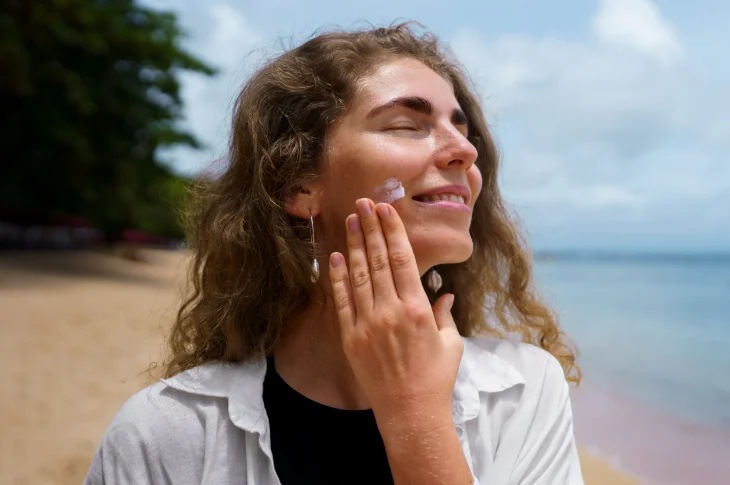
Photo: freepik.com/Freepik
Spring summer arrival undoubtedly brings joy energy urging spend more time outdoors. However along with warm sun rays appears also invisible risk – ultraviolet (UV) radiation potentially leaving permanent consequences on skin health appearance. How effectively protect skin from sun harmful impact – with professional recommendations shares Health and Beauty Center Adoria dermatologist Guna Grūbe.
In this article you'll learn:
- Spring sun risks: why spring sun particularly deceptive what long-term consequences including photoaging increased skin cancer risk;
- Sunscreen selection use: how decipher SPF UVA designations how correctly use sunscreen;
- Comprehensive protection control: what additional means (clothing hats) enhance protection why regular dermatologist checkups essential for skin health maintenance.
Why Spring Sun Particularly Dangerous for Skin?
Many wrongly believe greatest UV radiation risk exists only on hot summer days. In fact spring sun can be even more deceptive dangerous for several reasons.
First after long winter skin lost its natural protective pigment melanin thus much more susceptible to sunburns. Second spring air temperature often not so high creating misleading impression sun not intense. However UV index already from April can reach medium-high level sufficient cause damage to unprotected skin.
During this period received UV radiation promotes photoaging result skin faster loses firmness premature wrinkles appear uneven pigmentation spots form. Long-term UV ray impact accumulates significantly increases skin cancer development risk therefore regular correct sun protective products use most effective preventive measure reduce this risk.
How Correctly Choose Use Sunscreen?

Photo: freepik.com/Freepik
Sunscreen selection correct use two seemingly simple but crucial steps on path to safe skin protection. Correct choice from wide product range ensures product suitable exactly for specific skin type precise use guarantees maximum on-package promised effect.
Understanding SPF UVA UVB
Buying protective cream on packaging seen letter number combinations can seem confusing complex. However behind these designations hides essential information about product's ability protect skin from different UV ray types.
- SPF (Sun Protection Factor): this number indicates protection level against UVB rays main sunburn causes. For daily use in urban environment recommended SPF 30 while prolonged sun exposure e.g., beach needed SPF 50+.
- UVA protection: UVA rays don't cause such pronounced burn but penetrate deeper skin layers causing premature skin aging increasing oncological disease risk. Crucial choose product with "broad-spectrum" marking circle "UVA" symbol guaranteeing protection also against this ray type.
How Much How Often Apply Sunscreen?
Even most effective cream unable provide full protection if not used correctly. Most common mistake product use in too small amount – applied only thin layer in reality not providing on-package indicated SPF protection level. Also in daily rush recreation moments tend forget cream effect not endless needs regularly renew especially after water contact.
- Amount: average adult body needs about 30–35 ml (about six teaspoons) sunscreen. For face neck area sufficient amount corresponding to two finger lengths.
- Frequency: sunscreen need applied 20–30 minutes before going out into sun. Protective power need renewed every two hours also immediately after swimming profuse sweating towel drying even if product water-resistant.
Dermatologist Skin Health Importance in Sun Season
Though daily skin protection most effective way proactively prevent sun-caused damage equally important ability timely notice already occurred changes. Sun can not only trigger new formation appearance but also cause dangerous changes in existing moles. Therefore thorough skin self-control combined with preventive dermatologist visits best way timely diagnose risks.
Regular Skin Checkups Importance
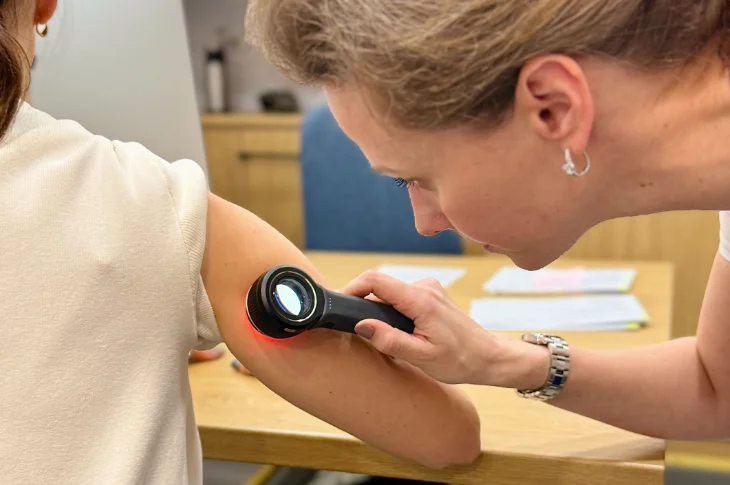
Photo: adoria.lv
Preventive skin formations check once a year recommended for everyone but particularly important for people with fair skin type large number of moles skin cancer in family history. For this purpose dermatologist performs dermatoscopy – non-invasive painless diagnostic method with special device dermatoscope allowing multiple magnification evaluate each mole other skin formation structure.
This method allows timely notice even minimal suspicious changes prevent serious disease development. If performing skin examination at home noticed any changes in existing moles – shape color size change bleeding itching – to dermatologist need go as soon as possible.
- To be able timely notice potentially dangerous signs important know exactly what changes in moles signal for immediate action. More detailed about what pay attention read our prepared article: "Moles Skin Formations: When Need Check by Dermatologist?".
When Needed In-Depth Analyses?
Sometimes to fully evaluate skin health condition determine specific problem cause dermatologist can order additional examinations. E.g., people who very carefully avoid sun can develop vitamin D deficiency level determinable with blood test help. Also additional tests can be necessary diagnose certain skin diseases potentially provoked exacerbated by UV radiation.
Additional Recommendations for Comprehensive Skin Protection

Photo: freepik.com/Freepik
To ensure skin maximum comprehensive protection quality sunscreen use need combined with other daily habits. Responsible attitude towards sun exposure correct clothing choice even dietary habits can significantly reduce UV radiation-caused stress on skin.
Shade Doesn't Provide Full Protection
Though during sun's most active time (from 11:00 to 16:00) staying in shade recommended important remember UV rays reflect from various surfaces. Sand water snow even concrete can reflect up to 80% rays reaching skin even under sun umbrella. Also need consider thin cloud layer retains only small part of radiation.
Correctly Chosen Clothing
Correctly chosen clothing one of simplest most effective ways create physical barrier between skin harmful UV rays. Best protection provides special clothing with UPF 50+ marking fabric equivalent to sunscreen SPF. But if such clothing unavailable excellent protection can achieved also with everyday clothes paying attention to some nuances.
Main criterion fabric density – thicker more opaque better blocks rays. Also important color choice – though dark colors get warmer absorb UV radiation much more effectively than light shades. Finally crucial remember wet clothing e.g., T-shirt after swimming loses up to half its protective power thus recommended change into dry clothes.
Eye Protection
Skin around eyes thinnest most sensitive thus one of first places where photoaging signs (fine wrinkles) appear skin cancer can develop. Quality sunglasses with "UV400" "100% UV protection" marking block all harmful rays protecting both vision delicate skin around eyes.
Along with sunglasses second most important accessory for face protection appropriate headwear protecting not only face skin but also ears back of neck head scalp – body areas often forgotten to treat with sunscreen.
Most effective wide-brim hat with at least 7–8 cm wide brim casting shadow over entire face oval. Baseball caps unfortunately protect only forehead nose leaving unprotected cheeks neck where often burn forms.
Diet Also Matters
Though doesn't replace external protection antioxidant-rich diet can help strengthen skin's natural protective abilities. Products like tomatoes (contain lycopene) blueberries spinach nuts (vitamin E) green tea help body fight free radicals intensified by UV radiation.
Medication-Induced Photosensitivity
This very important but often forgotten aspect. Some medications including certain antibiotics (e.g., doxycycline) non-steroidal anti-inflammatory drugs (e.g., ibuprofen) retinoids diuretics can make skin many times more sensitive to sun. If using such preparations about additional precautions measures definitely need consult your doctor pharmacist.
- Even if diligently protected skin after time spent in sun needs special care restore moisture level soothe it. How properly care for skin after sunbathing read article: "Dermatologist Tips How Care for Skin After Sunbathing Solarium".
How Care for Child's Skin Protection?
Children's skin particularly sensitive thus much more susceptible to sun-caused damage. Sunburns obtained in childhood one of most serious risk factors for melanoma development in adulthood. Infants up to six months generally not recommended expose to direct sun rays at all.
For older children need use mineral sunscreens with SPF 50+ wear protective clothing hat. If child has specific skin problems e.g., atopic dermatitis about most suitable sun protective products use recommended consult children's dermatologist.
Don't Postpone Visit – Book Consultation at Health and Beauty Center Adoria!

Photo: adoria.lv
If want make sure about your skin health receive individual recommendations for skin care protection book dermatologist consultation at Health and Beauty Center Adoria Riga A. Čaka street 70-3. Modern diagnostics wide range examinations individual approach adults children from birth.