
PRP and PRF Injection Safety and Potential Risks
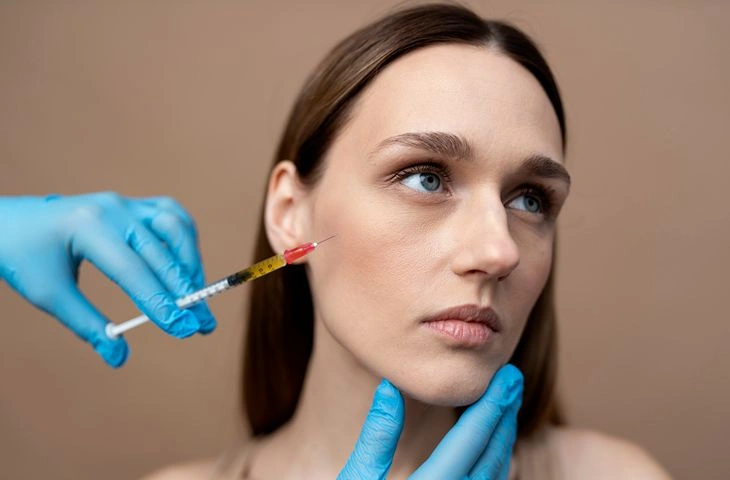
Photo: magnific.com/Magnific
Are you considering improving your skin condition or stimulating hair growth with natural tissue regeneration methods? Although plasma therapy is widely recognised for its effectiveness, it is natural to have questions before any medical intervention about how the procedure works and how the body responds in the post-treatment period.
As the dermatologists and aesthetic medicine specialists at the Adoria Health and Beauty Centre explain, autologous plasma therapy is one of the most biocompatible methods in modern medicine. However, to guarantee results and prevent complications, clinical protocols must be strictly followed. For a patient to feel safe throughout the entire treatment process, it is essential to understand the real risks of plasmolifting and to know how to tell natural tissue healing apart from genuine complications.
What Guarantees the Biocompatibility of the Procedure?
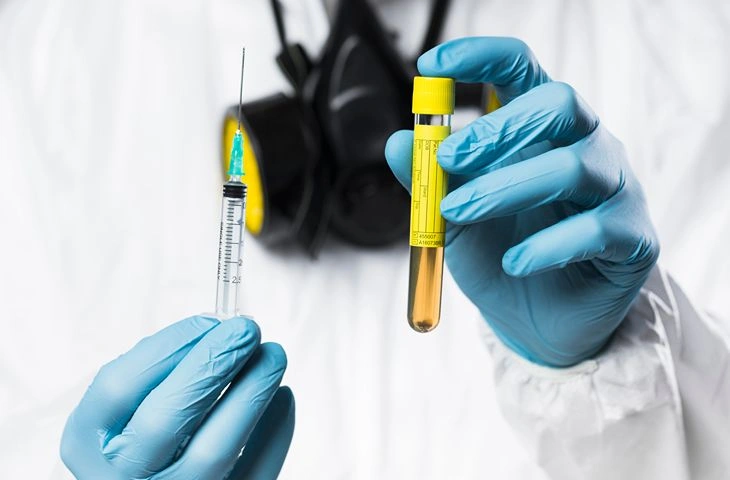
Photo: magnific.com/Magnific
The therapy is based on autologous material, meaning the patient's own blood, which makes the procedure completely natural and safe for the body. The blood sample is processed in a special medical centrifuge to obtain plasma or fibrin enriched with platelets (the cells responsible for blood clotting and tissue repair in the body). Since no synthetic chemical additives or animal-derived proteins are used in the resulting preparation, a classic allergic reaction to the injected material itself is physiologically impossible. This biological factor significantly distinguishes plasma therapy from other injection methods. For more in-depth information about the extraction process, we invite you to visit our clinic's PRP and PRF service page.
Possible Tissue Reactions and Complications
Any injection creates a micro-injury in the tissue. The human body responds to this with a natural defence mechanism that triggers a short-term inflammatory cascade. This process is necessary to stimulate the synthesis of new collagen (the structural protein that forms the skin's framework).
Temporary, Normal Side Effects of PRP and PRF Injections
In clinical practice, the following symptoms are recognised as signs of the preparation working normally and the tissue healing:
- Swelling after PRP: A local build-up of interstitial fluid at the injection sites is an expected side effect. It is usually more visible around the eyes and mouth, where the tissue is especially thin and sensitive. This swelling typically subsides and disappears within 24 to 48 hours.
- Bruising after injections: The skin of the face and scalp contains a very dense network of capillaries (tiny blood vessels). During the procedure, a needle puncture may touch one of them, causing a small subcutaneous bleed, or haematoma. These visual imperfections are superficial and are fully absorbed within about one week.
Rare Side Effects of PRP and PRF Injections
Although the source material itself has a very high safety profile, a technically incorrect procedure can create specific risks. If the clinic does not provide a sterile environment and strictly follow aseptic and antiseptic requirements, there is a risk of bacterial infection through the injection puncture sites.
There are also anatomical risks, such as irritation of the facial nerves, if the preparation is injected into the tissue by a person without the appropriate medical training. It is important to mention that in some cases patients may experience local irritation from the anaesthetic creams used to numb the surface of the skin before the procedure begins, rather than from the plasma itself.
Frequently Asked Questions About Plasma Therapy Safety
Are PRF and PRP Injections Safe?
Yes, these methods are completely safe for the patient when performed in a licensed medical facility. The process of obtaining PRF (platelet-rich fibrin) does not even use anticoagulants (medical substances that prevent blood from clotting outside the body). This means the blood component is injected into the patient's skin in its absolutely purest, natural form.
How Long Is the Recovery Time?
The active tissue regeneration and recovery period after a session lasts from 1 to 3 days. During this stage, the patient is advised to avoid saunas and swimming pools, as well as intense sun (ultraviolet radiation) exposure and heavy physical exertion. For more detailed information about the preparation stage and the post-treatment period, we invite you to read our dedicated article: PRP Injections in Riga: How the Procedure Works and What to Expect.
The Highest Clinical Standards and Safety at the Adoria Centre

Photo: magnific.com/Magnific
To ensure maximum patient safety, the quality of our services rests on two fundamental pillars. First, any injection technique must be entrusted to professionals. At the Health and Beauty Centre on A. Čaka Street in Riga, these invasive procedures are performed only by a competent, certified dermatologist or a medically trained aesthetic medicine specialist. Before booking a procedure, patients are invited to review the doctors' qualifications on our specialists page.
Second, the medical equipment used at the facility is of decisive importance. Adoria uses only top-class, CE-certified tubes that meet strict European Union quality requirements. Such equipment guarantees that the blood sample and the separated plasma never come into contact with ambient air, completely eliminating the risk of pathogens entering (contaminating) the fluid. Every aesthetic procedure at our clinic is firmly grounded in the core principles of safe and responsible medicine.
A Step Towards Safe and Natural Beauty Care
The health and radiance of your skin begin with a trustworthy and responsible approach. When choosing cell renewal therapies, entrust your body only to a licensed medical facility that prioritises strict safety protocols, sterility and an evidence-based, individual approach to every patient.
Book an in-person appointment with our highly qualified specialists at Adoria by calling +371 67 315 000 or by conveniently filling in the online booking form on our website!