
Are dental implants painful? What to expect after the surgery?
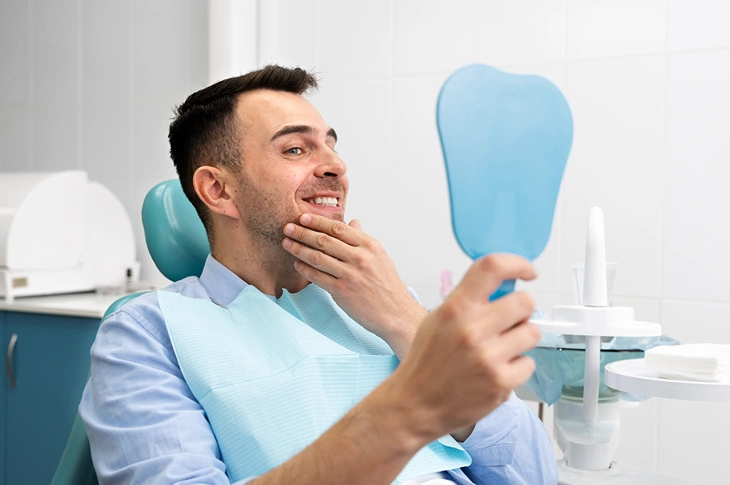
Photo: freepik.com/Freepik
Dental implantation is one of the most effective methods for replacing lost teeth, yet the question of whether dental implants are painful is still the main reason why patients tend to postpone treatment. Although this is a surgical operation, thanks to modern local anaesthesia no physical pain is felt. During the procedure the patient may sense only slight pressure or vibration, but the placement of the implant into the jawbone itself takes place without pain or noticeable discomfort.
Darja Gvergžde, a dentist at the Adoria Health and Beauty Centre, explains in the article below what the real sensations during dental implantation are and which factors influence the course of recovery.
In this article you will learn:
- Sensations during the procedure: what sensations to expect while the implant is being placed.
- The course of recovery: how the gums heal after the implant is placed and what to pay attention to.
- The importance of home care: how to ensure proper post-operative care for dental implants in order to avoid the risk of complications as much as possible.
Why is no pain felt while dental implants are being placed?
Many patients fear the operation itself the most, yet modern dentistry technologies allow this process to be carried out in complete comfort. The main reason why no physical discomfort is felt is modern local anaesthesia, which temporarily switches off sensitivity in the particular area of the jaw entirely.
During the procedure the patient remains conscious and can communicate with the doctor, but feels neither the incisions nor the other manipulations involved in dental implantation. The only sensations that may appear are slight pressure or vibration, which is an unavoidable part of the surgical process, but it is not of a painful nature.
It is important to emphasise that the specialist plans the work so that tissue trauma is minimal, and therefore modern dental surgery is no longer associated with difficult, complicated and lengthy procedures. Using high-precision instruments and equipment, the implant is placed in its intended position quickly and gently, preserving the surrounding healthy tissues as much as possible. It is precisely this gentle approach that explains why, for most patients, the question of whether dental implants are painful loses its relevance within the first minutes of the procedure.
- To learn more about how dental implants are placed, with a detailed look at every stage of the procedure from the first consultation to a new smile, read the article “The dental implant procedure: how it works and what to expect”.
Throughout the entire process the dentist carefully monitors the patient's condition and, if necessary, can add to the dose of anaesthesia to guarantee complete comfort. When analysing real patient reviews about dental implants, the point most often emphasised is that the fear before the procedure was incomparably greater than the actual sensations in the chair.
What to expect in the first days after the surgery?
When the effect of the anaesthesia wears off, slight sensitivity and pain are a completely normal phenomenon, indicating that the body has begun its natural healing process. During this time the immune system devotes all its strength to tissue regeneration, and therefore temporary, pulling sensations are a self-evident reaction to the procedure performed. So that these first days pass calmly and without unnecessary discomfort, the dentist usually prescribes mild medication that helps you feel well and allows the body to recover undisturbed.
- Swelling in the cheek area: slight oedema after the placement of a dental implant is the most common reaction. It is usually most visible on the second or third morning after the surgery, but there is no need to worry about it – it is a signal that the body is actively healing the operated area. Usually the swelling will begin to subside quickly on its own within the following days.
- Sensitive gums: in the place where the incision was made and the sutures placed, the tissues will be temporarily more sensitive than usual. Just as with any tissue healing process, the gums also need time for the wound to close completely, for the tissues to strengthen and for sensitivity to external irritants, such as food or drink, to decrease.
- Bruises on the cheek: occasionally a small haemorrhage or bruise may appear in the surgical area, which may initially be bluish but later turn yellowish. This is a completely normal process that arises as the blood vessels react to the operation performed. These visual changes in no way affect how well the implant integrates into the jaw, and they usually disappear completely within 5–7 days.
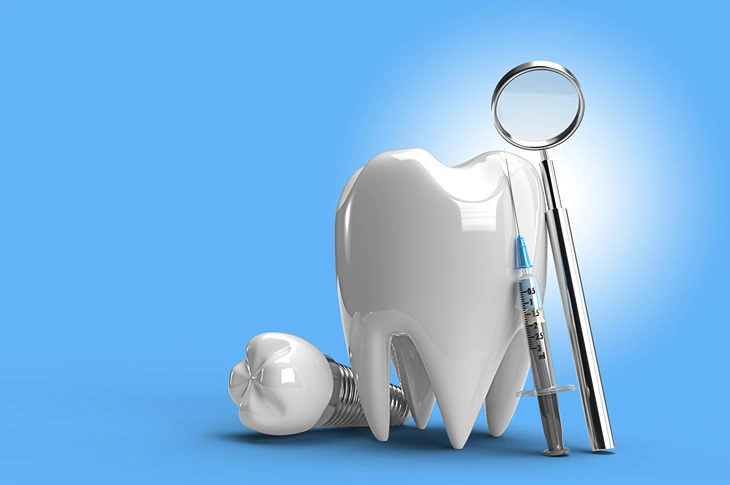
Photo: freepik.com/Freepik
Although the question of whether dental implants are painful during recovery depends on each person's individual characteristics, most patients admit that the discomfort is considerably less than after a tooth extraction. The level of pain is usually low and disappears completely within 3–5 days.
The most important thing is to follow the doctor's instructions precisely – this includes both the prescribed schedule for taking medication and attending the mandatory follow-up visits, so that the specialist can make sure of the condition of the wound in person. **You must contact the dental clinic immediately if any of these signs appear:**
- Severe and throbbing pain that, instead of decreasing, becomes more intense with each day;
- Persistent or increasing swelling that begins to spread beyond the surgical area after the third day;
- Elevated body temperature or general weakness that does not disappear within the first twenty-four hours;
- An unpleasant taste or smell in the mouth, which may indicate a risk of infection in the wound area;
- Prolonged loss of sensation in the lip, tongue or chin that does not pass after the effect of the anaesthesia has worn off.
How do the gums heal and how does the implant integrate?
After the first week of recovery, the stabilisation stage begins, during which the soft tissues around the placed implant begin to grow together naturally and the wound closes completely. Healthy and even healing of the gums after an implant is the first confirmation that the body is successfully accepting the implant. During this period the gums gradually regain their natural tone, sensitivity decreases and the tissues become firmer. Usually after 7–14 days the specialist can remove the sutures, but it is important to remember that healing in the deeper layers of the tissue is a longer process that continues for several more months.
The integration of the implant into the bone, or osseointegration, is a natural biological process during which the bone tissue grows tightly together with the surface of the implant, making it a stable foundation for further dental reconstruction. During this time the gums around the implant form a dense protective barrier that serves as a shield against bacteria and infections. So that this important integration stage proceeds without complications, in the first weeks care must be taken that the surgical area is not subjected to excessive mechanical pressure, for example by chewing hard food.
Why is it important to follow proper post-operative care?
A stable and high-quality result in implantology is closely connected not only with the specialist's work, but also with how careful the post-operative care of dental implants is at home. The main task during the first healing stage is to keep the oral cavity clean, in order to protect the wound from the access of bacteria and the risk of infection.
- Light diet: in the first days after the surgery it is advisable to choose soft, lukewarm food, giving up hot drinks, spicy seasonings or products with small seeds that could get into the wound area entirely.
- Gentle hygiene: at first the operated area must not be cleaned with a toothbrush or floss, but the remaining teeth should be cleaned as usual, additionally using a gentle mouth rinse prescribed by the specialist.
- Rest regime: for at least 7-14 days you must avoid sports, lifting heavy objects or visiting the sauna, because any sharp rise in blood pressure can provoke swelling or bleeding in the healing tissues.
- Discipline in taking medication: even if you feel excellent, the prescribed antibiotics and anti-inflammatory medicines must be taken exactly according to the plan indicated by the doctor, in order to ensure uninterrupted protection against inflammation.
Can prolonged pain indicate complications?
Under normal circumstances post-operative discomfort should decrease with each day. If the patient notices that the sensations are becoming sharper or that throbbing appears, this is a signal to contact the dentist. Implantation is a safe method, yet the body's reaction is individual, and therefore regular follow-up visits are a mandatory part of the treatment process.
- “Preparing for dental implantation: Why is a 3D examination necessary?” – find out why modern 3D X-ray diagnostics is the basis for a safe and predictable result, both when planning the procedure and the expected dental restorations and during the placement of the implants.
When analysing situations in which complications are suspected, it must be understood that any tissue inflammation can cause throbbing sensitivity, but modern digital diagnostics allows such changes to be detected at an early stage. A timely visit to the dental surgeon makes it possible to precisely determine the cause of the inflammation and to begin the necessary therapy before the process has had time to affect the deeper tissues. The main thing is not to use self-treatment methods and not to wait until the symptoms become pronounced.
Why do patients choose precisely this method for restoring teeth?
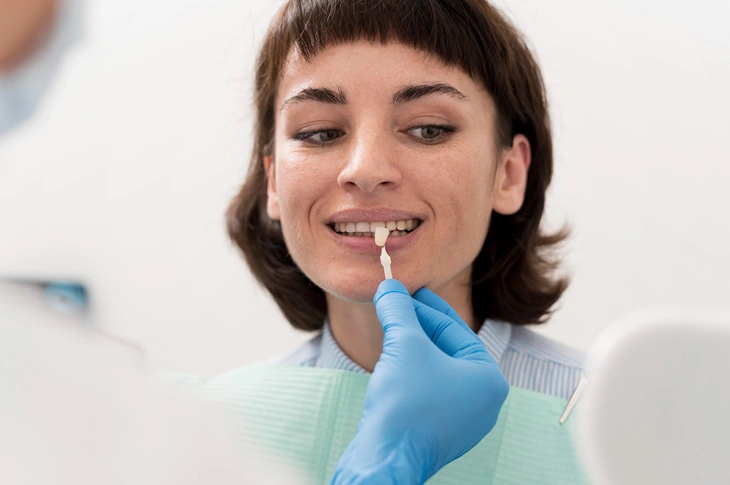
Photo: freepik.com/Freepik
Despite initial concerns, millions of people all over the world choose dental implantation thanks to the high effectiveness of the procedure, the natural result and the long service life of the implants. Unlike traditional prosthetic methods, such as dental bridges, implantation makes it possible to restore the smile completely without using the neighbouring healthy teeth as supports. This means that the neighbouring teeth do not need to be ground down or subjected to additional load, preserving their natural structure and health as much as possible.
So that the implant retains its functionality in the long term, the post-operative period must be followed by regular and professional dental hygiene. Healthy gums and a sufficient volume of bone tissue around the artificial root are the main guarantee of its longevity, which is why preventive check-ups become an important part of everyday life. By choosing qualified specialists and carefully following all the instructions for the recovery stages, the healing process proceeds predictably and without unpleasant surprises.
Would you like to learn more about the path to a new, healthy smile?
If you are still worried by the question of whether dental implants are painful, or if you would like to see the course of the procedure in person, we invite you for a consultation. The Adoria Health and Beauty Centre provides the highest level of dental care and a sensitive attitude towards every patient, dispelling any concerns and giving a feeling of safety. Book your visit by calling +371 67 315 000 or by filling in the application form on the website, and take the first step towards a healthy and beautiful smile today!