
Children's dental injuries: how to react and what to do in emergency situations?
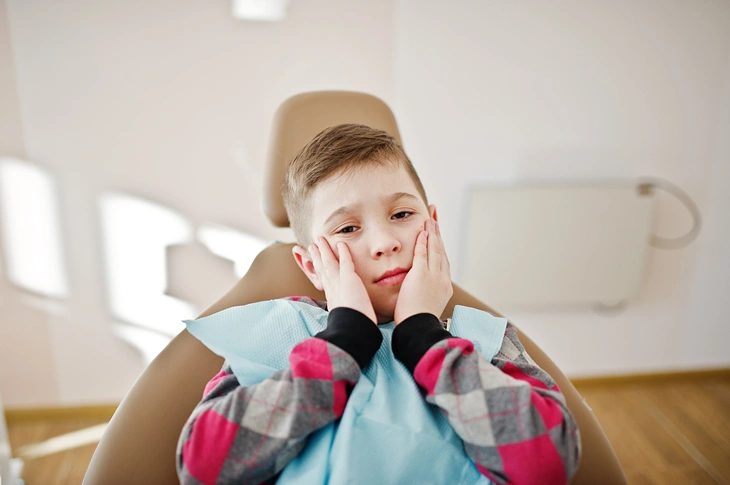
Foto: freepik.com/Freepik
An active lifestyle and play in childhood are often associated with falls or accidents that can result in various dental injuries in children. In such moments, calm and immediate action by parents is crucial to preserve the child's dental health and avoid long-term problems. Improper injury care can create an increased risk of caries or lead to serious bite deformities and damage to permanent tooth buds, which will later require lengthy and complex treatment. In the continuation of the article, Kirils Reihs, a dentist at the Adoria Health and Beauty Centre, explains how to provide first aid in the case of children's dental injuries
In this article you will learn:
- Immediate action: what action in the first minutes after an injury can help preserve the tooth's viability and prevent the risk of infection.
- Tooth fracture: how to act if a tooth is broken or knocked out as a result of the injury.
- Diagnosis of hidden damage: what processes can take place beneath the gum after an impact and why X-ray diagnostics is so important.
What is the first aid in the case of children's dental injuries?
In dental practice, children's dental injuries are common, and statistical data indicate that approximately every third child encounters some kind of oral cavity injury before reaching school age. If the injury zone is localised, the main attention should be devoted to caring for the wound and stopping the bleeding in the oral cavity, using a sterile gauze swab or a clean cloth napkin, which is pressed very gently against the injured area for a few minutes.
- It is important to make sure that the injury has not caused general health disturbances – if the child develops symptoms such as dizziness, impaired consciousness, vomiting or pronounced drowsiness, emergency medical assistance should be sought at the nearest hospital admissions department, as these signs may indicate a concussion.
As soon as the acute distress has been eased, the most important thing is to immediately turn to a children's dentist so that the specialist can accurately determine the extent of the injury and rule out hidden damage that is not visually apparent. It should be understood that all dental emergency situations require immediate diagnostics, because timely and professional first aid in the case of dental injuries is often the only way to fully preserve the tooth. Hesitation at such moments can lead to the development of infections or irreversible death of dental tissue, therefore a prompt visit is mandatory, regardless of how serious the injury seems at first.
To ensure correct action until the visit, it is advisable to follow these steps:
- Rinsing the oral cavity: rinse the mouth with cool water to mechanically clean the wound of foreign bodies, dirt and blood clots.
- Controlling swelling and pain: apply a cold compress wrapped in cloth to the cheek in the injury zone for 10–15 minutes, which narrows the blood vessels, reduces swelling and naturally relieves pain in the tissues.
- Protecting the injured zone: ensure that the child does not touch the injured area with fingers or tongue, and do not allow the child to deliberately bite down to check whether the teeth "are in their place" – any excess pressure at this moment can additionally injure the gums and tooth roots.
- Avoiding unnecessary manipulations: under no circumstances try to "push in" or straighten the injured tooth by yourself, and do not use any disinfectants (for example, alcohol or hydrogen peroxide) directly on the wound in the oral cavity, as this can cause a tissue burn and hinder healing.
How to act if a child's tooth is broken or completely knocked out?
If, as a result of an accident, a child's tooth is broken or completely knocked out, action must be immediate, because delayed help can irreversibly affect dental health and bite development. Professional help is necessary to prevent infection from entering the exposed tissues and to protect the permanent tooth buds located in the jaw bone directly beneath the injury site. Even if it visually seems that only a small piece of enamel has broken off, the fracture line may reach the deeper layers of the tooth or endanger the tooth's further viability, therefore the action plan should be as follows:
- If a permanent tooth is knocked out (with the whole root): the tooth must be found and protected immediately. It may only be touched by the white crown part, without touching the root, and it must immediately be placed in a naturally moist environment – in cold milk or the child's saliva in a sterile container. Milk provides the root cells with the necessary nutrients and the right environment, which allows the specialist to attempt to secure the tooth back into the jaw within an hour of the injury.
- If a piece of the tooth is broken off: if, as a result of the impact, the tooth is only partially broken, an attempt should be made to find the broken part and store it in moisture, for example, in physiological saline or a moistened napkin. Modern dentistry technologies often allow the broken tooth part to be glued back on, but this is only possible if the fracture line is "clean" and the piece has not crumbled into tiny fragments. Such restoration is usually carried out on permanent teeth. On milk teeth, broken-off pieces are usually not glued back – instead the specialist simply polishes the tooth or restores it with a filling material.
- If a milk tooth is knocked out: a knocked-out milk tooth must under no circumstances be reinserted into the gum, because there is a high risk of injuring or infecting the permanent tooth bud, which continues to develop in the bone. A visit to the doctor is still mandatory to make sure that no tooth root fragments have remained in the bone.
In cases of more complex injuries, when the jaw bone or the tissues holding the tooth are affected, professional help is provided by dental surgery. The surgeon treats and sutures the injured gum wounds, thoroughly cleans the root canals and, if necessary, restores the tooth's stability to prevent the spread of infection and the death of tissue.
Why is X-ray diagnostics critically important after a dental injury?
Sometimes dental injuries in children are not visible externally – the tooth may be neither loosened nor broken, but the impact may have caused a root fracture or damage to the jaw bone. In such cases it is best if the chosen dental practice has a modern diagnostics office available, where the necessary examinations can be carried out promptly. An X-ray image is the only way for the doctor to make sure of what is happening beneath the gum and what condition the tooth root and surrounding tissues are in.
root and surrounding tissues.
Diagnostics is especially important in the case of permanent tooth injuries, in order to monitor the tooth's viability in the long term. Sometimes the consequences of an injury may appear only after several months as a change in the tooth's colour or inflammation, which regular check-ups help to notice in time. You can learn more about which hidden risks modern diagnostic equipment helps to detect in the article "Hidden dental problems: What does the doctor see in a panoramic X-ray?".
How to promote successful healing after a dental injury?

Foto: freepik.com/Freepik
At this stage, depending on the type and severity of the child's dental injury, the specialist will prescribe an individual recovery regimen. If the gums are affected, it is usually recommended to avoid hard and crunchy food for several days, giving preference to a soft diet in order to reduce the mechanical load on the injured zone. Special attention should be paid to oral hygiene in order to prevent bacteria from entering the wound, which can cause infection:
- Gentle cleaning: in the first days the injured zone should be cleaned very carefully, using only a particularly soft (ultra soft) toothbrush, so as not to injure the healing tissues.
- Rinsing: if the specialist has prescribed specific rinsing agents (for example, chlorhexidine-containing solutions), they should be used precisely in accordance with the instructions in order to disinfect the oral cavity.
- Cleaning restrictions: in cases of severe injuries, if there are open wounds or splints applied by the specialist, the injured area must not be cleaned with a brush at all in the first days, so as not to cause bleeding or dislodge the tooth from its position.
- Care of the rest of the oral cavity: the other teeth should be cleaned as usual, so that the overall level of bacteria in the mouth is as low as possible, promoting faster healing of the wounds.
Timely action after a dental injury is an essential factor for successful recovery, but the general health of the oral cavity is no less important. It should be taken into account that a tooth already affected by caries damage is structurally more fragile, therefore even with a slight impact the risk of a fracture is considerably higher and the damage may be more extensive. To learn more about how to care for your child's dental health on a daily basis, we invite you to read the article “How to properly care for a child's teeth at home?”.
In the case of more severe injuries, specialists recommend limiting the child's physical activities and contact sports for a while, while healing is taking place, because any new impact to the already injured area can cause irreversible damage. During the recovery period, a specialist should be contacted immediately if the following signs are observed:
- Increased swelling: the swelling around the injured zone does not decrease or begins to increase rapidly.
Temperature: the child develops a fever or elevated body temperature without another clear reason.
- Change in tooth colour: the injured tooth becomes darker, greyish or pinkish, which may indicate damage to the tooth nerve or a haemorrhage.
- Recurrent bleeding: bleeding resumes from the injured area that cannot be stopped at home.
- Purulent discharge: a lump (fistula) or discharge with an unpleasant smell and taste appears on the gum.
Professional and prompt help in the case of children's dental injuries
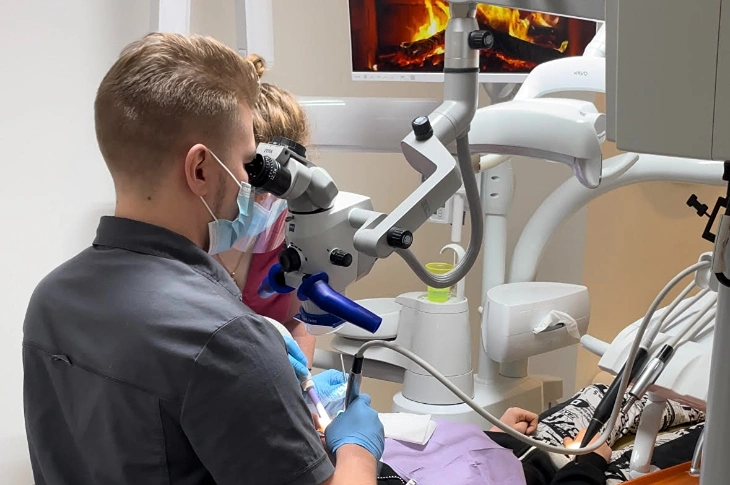
Foto: adoria.lv
If an accident has happened and an experienced children's dentist in Riga is needed, the Adoria Health and Beauty Centre offers immediate and compassionate help. Our specialists will promptly assess the situation using modern diagnostics and will provide the child with gentle treatment in a calm environment. Book an appointment with our specialists by calling +371 67 315 000 or by filling out the application on the website, and entrust your child's health to knowledgeable professionals who will take care of a quality result!