
Innovations in dentistry: What are the modern dental surgery methods?
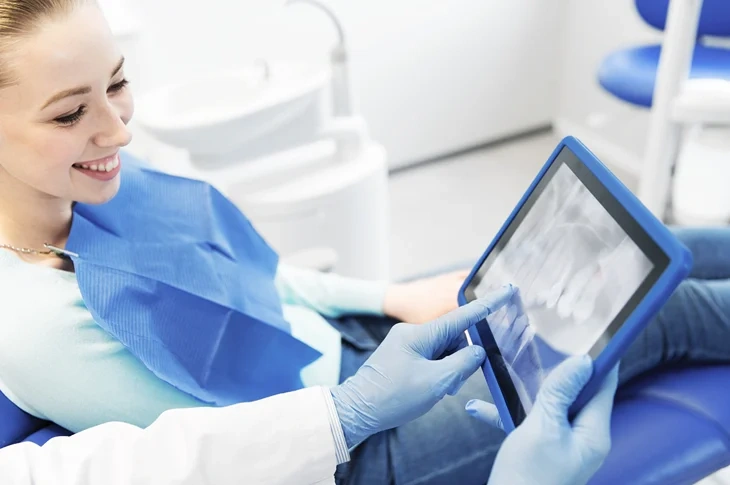
Photo: freepik.com/Freepik
Modern dental surgery today is no longer associated with unpleasant sensations, because the latest technologies have completely changed perceptions of operations in the oral cavity. Innovative methods and digital solutions make it possible to perform even the most complex dental procedures with millimetre precision, sparing the surrounding tissues. Such a gentle approach not only ensures maximum comfort during the procedure, but also significantly shortens the wound healing and recovery period in everyday life.
In the rest of this article, the dentistry specialists of the Adoria Health and Beauty Centre explain the latest innovations in this field and how modern equipment helps to achieve a successful and safe result.
In this article you will learn:
- Technological progress: why has digital dentistry changed the approach to planning and to the course of procedures?
- Dispelling myths: are extensive procedures in the oral cavity really still associated with great discomfort?
- The highest precision in procedures: how do optical magnification and three-dimensional images affect the outcome of surgical procedures?
What advantages does digital dentistry offer in planning?
In dentistry, the success of any operation is based on detailed preparation, which today is provided by modern computer programs and imaging systems. This innovative digital dentistry involves a modern approach in which a precise virtual three-dimensional model of the patient's oral cavity structures is created with the help of intraoral scanners and computer programs.
This gives the specialist the opportunity to study in detail on the computer screen the particularities of the patient's bite, the condition of the tooth crowns and roots, as well as the soft tissue structures, even before any physical manipulation begins. Such an approach allows the dental surgeon to precisely calculate the angle of implant placement, plan the incision sites and virtually coordinate every upcoming stage of the procedure, which significantly increases the precision of the operation and guarantees a safe final result.
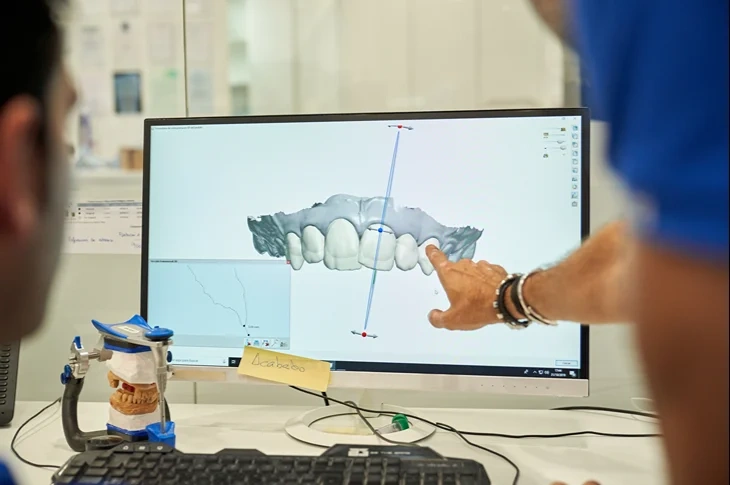
Photo: freepik.com/Freepik
3D X-ray: technological progress for maximum precision
Modern dental surgery and a precise operation plan are unthinkable without a comprehensive analysis of the situation, because an ordinary visual examination with a mirror allows only the visible part of the tooth above the gum to be assessed. The most important tool in the preparation stage is an in-depth X-ray examination, which at Adoria dentistry is provided by the on-site dental diagnostics room.
The 3D computed tomography of the teeth performed in this room, also called a 3D X-ray in practice, creates a full-fledged three-dimensional image within a few seconds, allowing the specialist to look with millimetre precision into the deeper tissues, the jaw bone and the sinuses. The use of such technology significantly improves the outcome of the procedure, because the dentist already sees all the anatomical nuances precisely in advance. Three-dimensional diagnostics is most often used in the following cases:
- Detection of hidden inflammation: allows chronic foci in the jaw bone around the tooth roots to be seen in good time, which may go unnoticed on an ordinary X-ray.
- Complex root anatomy: helps to precisely determine the number, shape and curvature of tooth roots, eliminating the risk of errors during treatment.
- Protection of surrounding tissues and structures: shows the exact location of the large blood vessels and facial nerves, allowing the surgeon to plan manipulations completely safely.
- Bone density assessment: provides clear information about the volume of bone tissue and its readiness for implantation.
Complete clarity of the situation allows the surgeon to choose the most appropriate instruments and tactics, shortening the time the patient spends in the dentist's chair and guaranteeing high efficiency throughout the care process. For a broader explanation of the importance of this technology and the differences between methods, we invite you to read the article "3D X-ray vs 2D panorama: Which examination should you choose?".
Is painless tooth extraction a reality nowadays?
One of the greatest innovations in modern dentistry is the complete elimination of discomfort, thanks to the latest generation of anaesthetics and gentle techniques. Controlled and targeted pain relief ensures that tooth extraction proceeds without pain, in a calm atmosphere, with the patient not feeling any unpleasant manipulations. Specialists use instruments that make it possible to separate the tooth from the surrounding tissues with minimal pressure, keeping the bone structure intact.
Such gentle methods have become the gold standard, because they prevent excessive traumatisation of the tissues during the operation. After a procedure performed in this way, the healing process proceeds considerably faster, and manifestations of swelling or other post-operative signs are minimal. The patient can return to everyday activities in a much shorter period of time compared with older-generation methods.
Wisdom tooth surgery is no longer traumatic either
There is still a belief in society that the removal of fully or partially unerupted wisdom teeth is a difficult and lengthy procedure that requires a complicated recovery. However, modern surgical practice completely refutes this myth, thanks to technologies that make it possible to abandon the classic, aggressive methods.
- Myth: Wisdom tooth surgery always traumatises the surrounding tissues and causes long-lasting complications.
- Truth: By using high-precision diagnostics and gentle techniques, damage to the bone and gums is reduced to a minimum, ensuring a quick and safe course of the procedure.
Complex wisdom tooth surgery now begins with virtual planning, in which spatial images precisely show the curvature of the roots and their distance from the mandibular nerve. This information allows the surgeon to access the tooth by the shortest and safest route, without affecting the adjacent structures. In addition, modern practice often uses ultrasonic surgery instruments that act only on hard tissues, completely protecting the soft gums and blood vessels from trauma.
Sparing the tissues directly determines that the post-operative period proceeds without pronounced pain or major swelling. To ensure proper care at home and promote rapid healing of the wound after wisdom tooth extraction, we invite you to read valuable advice in the article "Wisdom tooth extraction: post-operative care and recommendations".
What role does the microscope play in modern surgery?
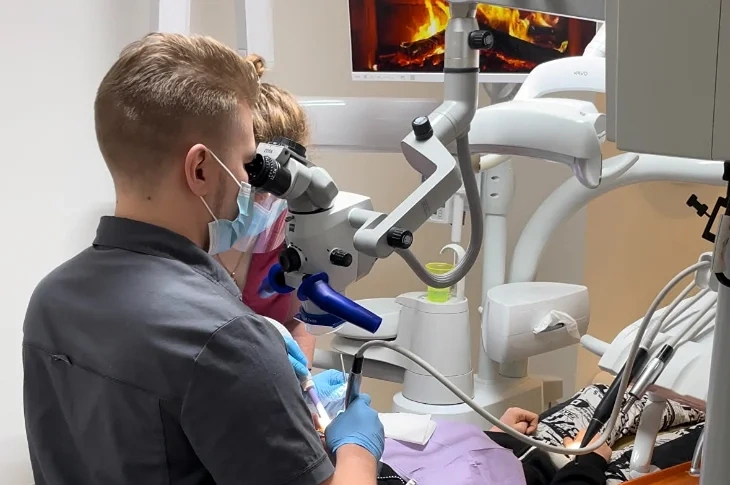
Photo: adoria.lv
Nowadays endodontics and the microscope have become an integral standard, because powerful optics, with up to thirtyfold magnification, allow the specialist to see nuances of tenths of a millimetre that are not visible to the naked eye. The availability of such equipment in dentistry is the main guarantee that even the most complex root canal treatment with a microscope or surgical manipulation will be performed precisely, preserving those teeth that previously would have had to be extracted.
Although this equipment requires additional investment, the benefit to the patient is financially justified – precise examination and immediate elimination of the problem removes the need for expensive repeat procedures in the future. This technological innovation is most often used in situations where it is necessary to cut off the tip of the tooth root (resection) or to save a tooth with previously improperly cleaned, winding or calcified canals.
The excellent visibility and powerful illumination make it possible to operate through microscopic incisions, using especially fine microinstruments and placing sutures that are almost invisible to the eye. As a result, the soft tissues and surrounding blood vessels are spared as much as possible, which directly ensures that the healing period proceeds without complications and the patient feels completely comfortable as early as the next day.
Why may bone grafting be necessary before implantation?
A prolonged absence of a tooth creates a situation in which the jaw bone naturally shrinks and loses its volume, because it is no longer provided with the necessary load during chewing. In order for dental implants to be successfully and stably placed in such a site, it is mandatory to restore the thickness and height of the bone tissue, providing a stable foundation for the artificial root.
This task is performed at a high level by innovative dental bone grafting, using the latest generation of biocompatible materials that stimulate the natural bone tissue regeneration process of the patient's own body. The innovation of this procedure lies in the fact that modern technologies make it possible to avoid the previously customary and traumatic operations.
Top-level digital equipment and optical magnifiers help to perform the manipulation through very small, gentle access, which protects the surrounding gums and blood vessels from unnecessary irritation. As a result, an anatomically precise and safe foundation is created for the successful integration of a new tooth, guaranteeing the longevity of the fixation and significantly accelerating wound healing.
Why choose top-level care and where is it available?
Photo: adoria.lv
When choosing a dentistry specialist for more extensive or complex procedures, patients primarily pay attention to the technological provision and the experience of other people. Positive and trustworthy dental surgeon reviews confirm that a modern approach and a considerate attitude are able to completely dispel the fear of operations. High-class specialists always provide full information about the course of the procedure, giving peace of mind and confidence in the outcome.
If professional and modern dental surgery in Riga is needed, the Adoria Health and Beauty Centre offers comprehensive solutions, using the latest generation of innovations and equipment. Our experienced specialists will promptly assess the situation and select the gentlest treatment method, ensuring complete comfort and safety throughout the process. Book an appointment with our knowledgeable professionals by calling +371 67 315 000 or by filling in the application form on the website, and receive quality care for the health of your smile!